As an Amazon Associate this site earns from qualifying purchases.
Top Picks
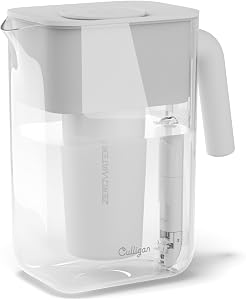
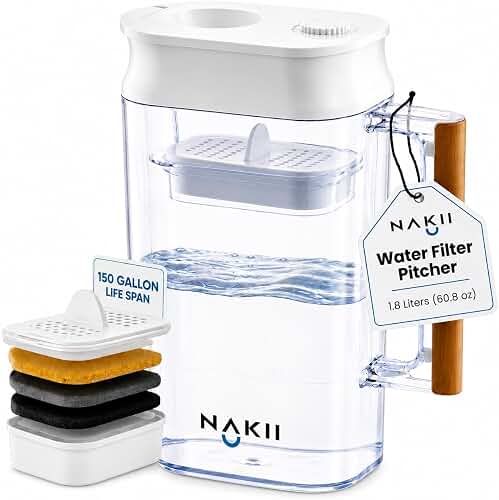
- FILTERS WATER FAST: Enjoy fresh-tasting water quickly with a high-flow filter design that reduces waiting time compared to slower traditional glass water filter pitcher
- CLEAN, REFRESHING TASTE: Improves everyday tap water by helping reduce unwanted chlorine taste and smell for fresher drinking water with our water purifier pitcher
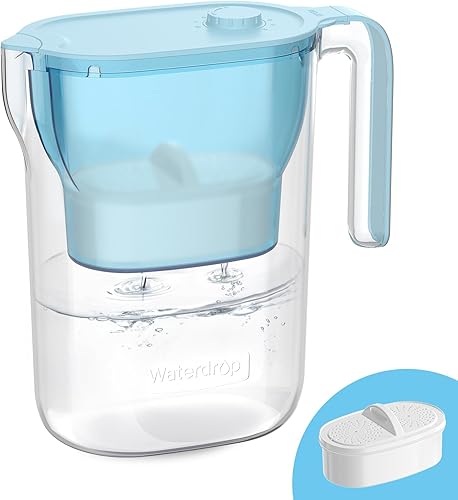
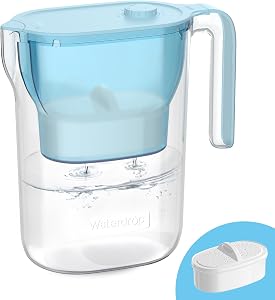
- [Replacement Filters] Need filters for PT-05? Search for PF-01A or ASIN B086ZPR3WM on Amazon. Choose genuine Waterdrop filters for a precise fit and reliable performance. Please
- [NSF/ANSI 372 & 42 Certified] This countertop water pitcher filter is certified by NSF International against NSF/ANSI 372 and 42, using high-quality activated carbon fiber to help
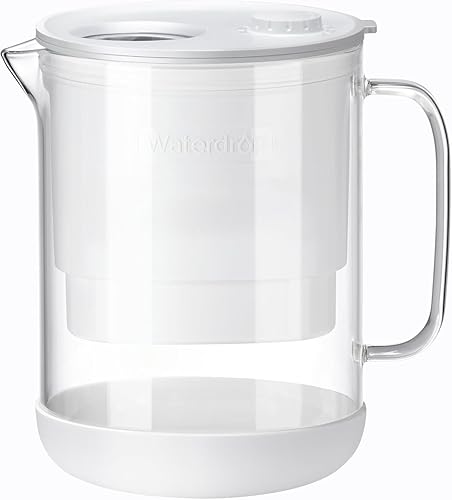
- [Replacement filters] Need Upgrade NSF/ANSI 53, 42 & 372 filters for PT-72? Search for PF01A-P or ASIN B0D6Y4W9Q1 on Amazon. Choose genuine Waterdrop filters for a precise fit and
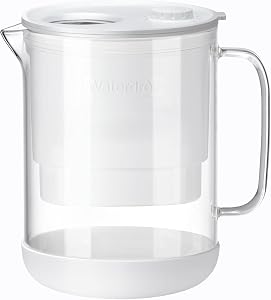
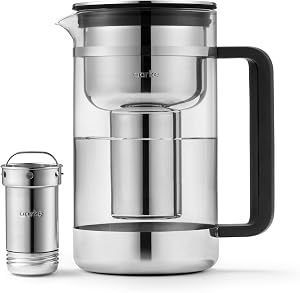
- [Glass materials, green choice] This glass water filter pitcher is made from high-quality glass that is non-toxic, sustainable, and easy to clean, helping reduce plastic use for a
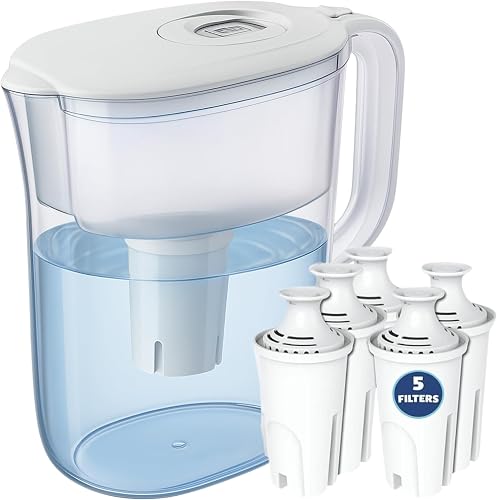
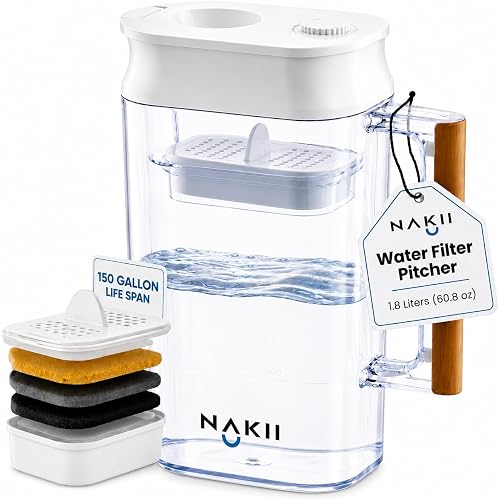
- INCLUDES: (1) White 10 cup water filter pitcher with 5 Filters, and an electronic filter change indicator. The five (5) Joey'z filters are
- THE FILTERS: Included inside the pitcher are five (5) Joey'z filters. Boasting both NSF/ANSI 42 and 53 certifications, the Joey'z water purifier set is able to filter out Chlorine
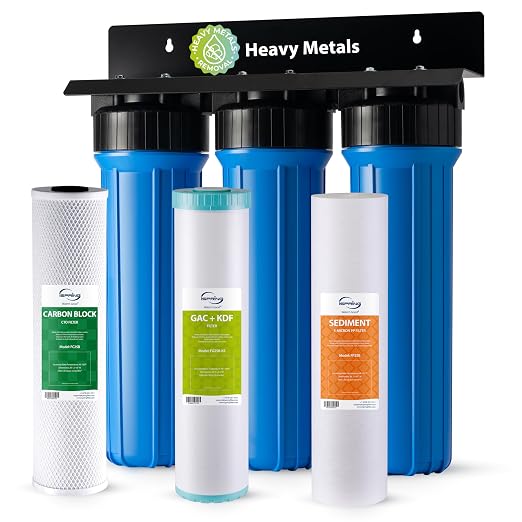
- PROTECT YOUR FAMILY AND APPLIANCES - The 2nd-stage FG25B-KS 20” x 4.5” compound filter removes chlorine, lead, mercury, hydrogen sulfide, heavy metals, pesticides, herbicides
- DIY INSTALLATION AND MAINTENANCE - This whole house water filtration system comes with easy-to-follow manual and YouTube videos for hassle-free DIY installation. 1” NPT
Tired of Limescale, Stiff Laundry, and Spotty Dishes? Your Water Softener Size Might Be the Culprit
Here's the truth most plumbers won't tell you: buying the wrong-sized water softener is one of the most expensive mistakes a homeowner can make. Go too small, and you'll burn through salt, exhaust the resin, and still wake up to crusty faucets. Go too big, and you'll waste hundreds of gallons of water and hundreds of dollars every single year.
But here's the good news — sizing a water softener is not rocket science. It's simple math, a little detective work, and the guide you're reading right now.
> "The right-sized softener doesn't just save money — it protects every pipe, appliance, and surface in your ."
Quick Stats That Should Make You Pause
| The Number | What It Means |
|---|---|
| 85% | of U.S. homes have hard water |
| $300+ | wasted per year |
| 30% | longer appliance life with proper softening |
| 15 years | a properly sized system can last |
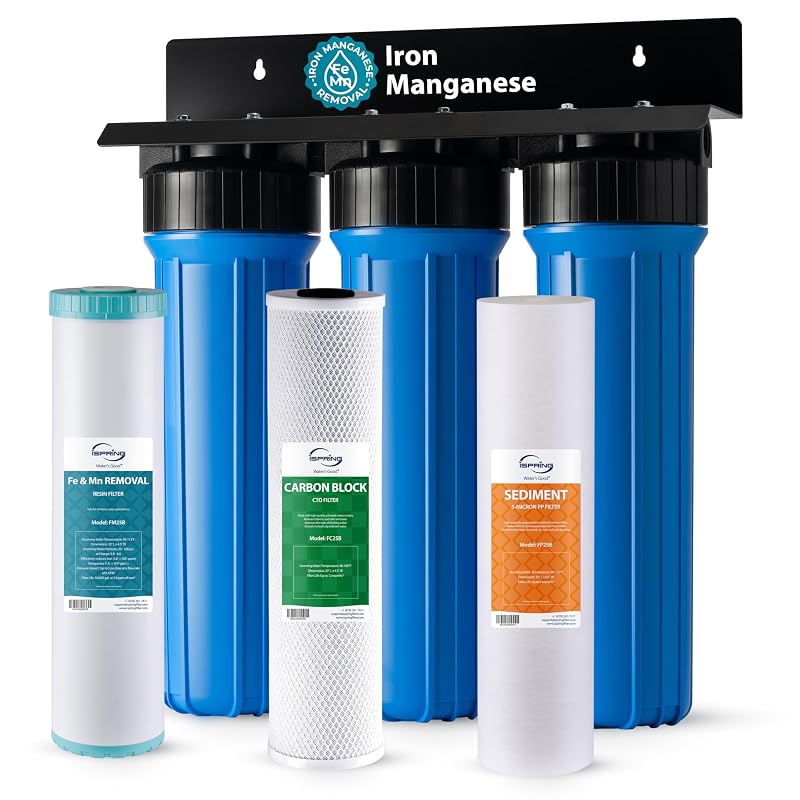
Featured recommendations from our review database — direct Amazon links below.
Why Size Matters Far More Than Brand
Most homeowners obsess over brand names. The pros? They obsess over grain capacity. Here's exactly why that matters:
- A softener that's too small regenerates constantly, wearing out the resin in 3–5 years instead of 15
- A softener that's too large wastes salt, water, and electricity with every regeneration cycle
- A properly sized softener regenerates roughly every 3–7 days — the sweet spot for efficiency and resin health
The True Cost of Getting It Wrong
| Metric | Impact of Wrong Size |
|---|---|
| Salt usage | Up to 40% more annually |
| Water waste | 1,500+ extra gallons/year |
| Resin lifespan | Cut nearly in half |
| Appliance damage | Hidden scale buildup continues |
| Energy costs | Up to $120 wasted per year |
> Reality Check: The average homeowner loses over $300 per year running an incorrectly sized softener. That's $4,500 over the system's lifetime — gone.
The 3-Step Formula Every Pro Uses
Ready for the magic equation? It's beautifully simple:
> Daily Softening Requirement = People in
Let's break it down piece by piece.
Step 1: Count Your Household
The average American uses 75–80 gallons of water per day. Multiply that by everyone living under your roof — including the teenager who showers like they're charging admission.
Example: A family of 4 uses roughly 300 gallons per day.
Step 2: Test Your Water Hardness
This is the number that changes everything. You have three options:
- Grab a DIY test strip ($10 at any hardware store) — fast and easy
- Request a free water report from your municipal supplier — surprisingly detailed
- Send a sample to a certified lab — the gold-standard accuracy
| GPG Range | Hardness Level |
|---|---|
| 0–3 GPG | Soft (lucky you!) |
| 3–7 GPG | Moderately hard |
| 7–10 GPG | Hard |
| 10–14 GPG | Very hard |
| 14+ GPG | Extremely hard (hello, Midwest) |
> Expert Tip: If your , add 5 GPG to your test result to account for dissolved iron. Iron eats softener resin for breakfast — and your warranty for lunch.
Watch: How to Size a Water Softener Like a Pro
Sometimes seeing beats reading. This expert breakdown walks you through the exact calculation with real-world examples that mirror what you'll do in your own home:
Step 3: Do the Math (Promise, It's Easy)
Let's say you have 4 people in a
`4 people × 80 gallons × 15 GPG = 4,800 grains/day`
Most softeners regenerate every 7 days, so multiply by 7:
`4,800 × 7 = 33,600 grains of capacity needed`
You'd want a 32,000 to 40,000 grain softener. That's it. You just out-engineered half the salesmen at the big-box store.
> Pro Move: Always size slightly up — never down. A buffer of 10–20% accounts for guests, summer water use, and the inevitable hardness creep over time.
The Quick-Reference Sizing Chart
Don't want to do math? Use this cheat sheet based
| Water Hardness (GPG) | Recommended Softener Size |
|---|---|
| 5–10 GPG | 24,000 grain |
| 11–20 GPG | 32,000 grain |
| 21–30 GPG | 40,000 grain |
| 31–45 GPG | 48,000 grain |
| 46–60 GPG | 64,000 grain |
| 60+ GPG | 80,000 grain or dual-tank |
> Family of 5 or more? Bump up one full size. Got a hot tub, pool, or oversized soaking tub? Bump up again.
The 5 Sneaky Sizing Mistakes Even Smart Homeowners Make
- Ignoring iron content — Even 1 ppm of iron requires extra grain capacity
- Forgetting future growth — That nursery? Future teenagers shower a lot
- Sizing for today's flow rate only — Peak demand matters more than average
- Trusting the salesperson's "standard" recommendation — Your
- Skipping the hardness test entirely — Guessing here costs thousands
Watch: The Top Mistakes to Avoid When Buying a Water Softener
Before you click "buy now" , watch this. It could save you thousands and years of frustration:
Your Action Plan: From Confused to Confident in 15 Minutes
 Here's exactly what to do today:
- Test your water hardness using a strip or your city's water quality report
- Count daily water users in your household (and plan for growth)
- Run the formula — or use our cheat chart above
- Add a 10–20% buffer for safety and longevity
- Shop with confidence — knowing the exact grain capacity you need
Your pipes will thank you. Your water heater will thank you. And your future self — standing in a shower that finally rinses clean — will thank you most of all.
Related Reviews
- Common Mistakes to Avoid When Buying a Whole House Water System
- Complete Buyer's Guide to Whole House Water Filtration Systems
- Whole House Water System Budget Guide: What to Expect at Every Price Point
- How to Size a Whole House Water Filter for Your Home
- How to Maintain a Water Softener System: Year-Round Care Tips
