Programming a Fleck 5600SXT for a home where a family member runs peritoneal dialysis (PD) or in-center-bridge hemodialysis prep requires tighter discipline than a typical install. The correct fleck 5600sxt settings home dialysis household approach centers on four things: an accurate hardness reading, conservative salt dosing, a predictable nightly regeneration window that never overlaps treatment, and a documented bypass path so the dialysis machine’s carbon prefilter and RO loop always see soft, low-chloramine feed water. Below is the exact menu-by-menu walkthrough valves installers and biomed techs use in 2026, plus the upstream filtration that protects both the softener resin and the dialysis circuit from iron, sediment, and disinfection by-products.
Why dialysis households need a different Fleck 5600SXT program
A standard residential softener is tuned for laundry, water heaters, and skin feel. A dialysis household is tuned for one thing: the water that reaches the RO membrane feeding the cycler or hemo machine must be soft, low in free chlorine and chloramine, and free of iron and particulate that would foul the carbon tanks the dialysis manufacturer requires upstream. The Fleck 5600SXT is an excellent valve for this role because every parameter is user-accessible, the meter is reliable, and the regeneration cycle can be locked into the small hours when no treatment is running.
The non-negotiables for any fleck 5600sxt settings home dialysis household build are: (1) regeneration must never coincide with a PD exchange or hemo session, (2) the bypass valve must be clearly labeled so a caregiver can isolate the softener without tools, and (3) the upstream sediment and carbon stages must be sized so the dialysis machine’s internal carbon tanks are a polishing stage, not the primary chloramine kill.
Pre-programming checklist: test before you touch the buttons
Before you press a single Fleck button, gather three numbers and one decision:
- Total hardness (gpg): use a Hach 5-B titration kit or a lab report. Do not trust strip estimates for a dialysis home.
- Iron (ppm): anything above 0.3 ppm needs pre-treatment; resin fouled by iron will leak hardness intermittently, which is the worst failure mode for a dialysis feed.
- Chlorine vs. chloramine: call the utility. Chloramine requires catalytic carbon in series, not just GAC.
- Resin volume: a 5600SXT is most often paired with a 1.0, 1.5, or 2.0 cu ft tank. You must know this to calculate capacity.
For homes on a private well, see our well water pre-treatment guide for dialysis patients before sizing the softener at all — iron and tannins change every assumption.
Step-by-step: the exact Fleck 5600SXT menu values
Hold the Up and Down arrows for five seconds to enter the master programming mode. Walk through each parameter in order:
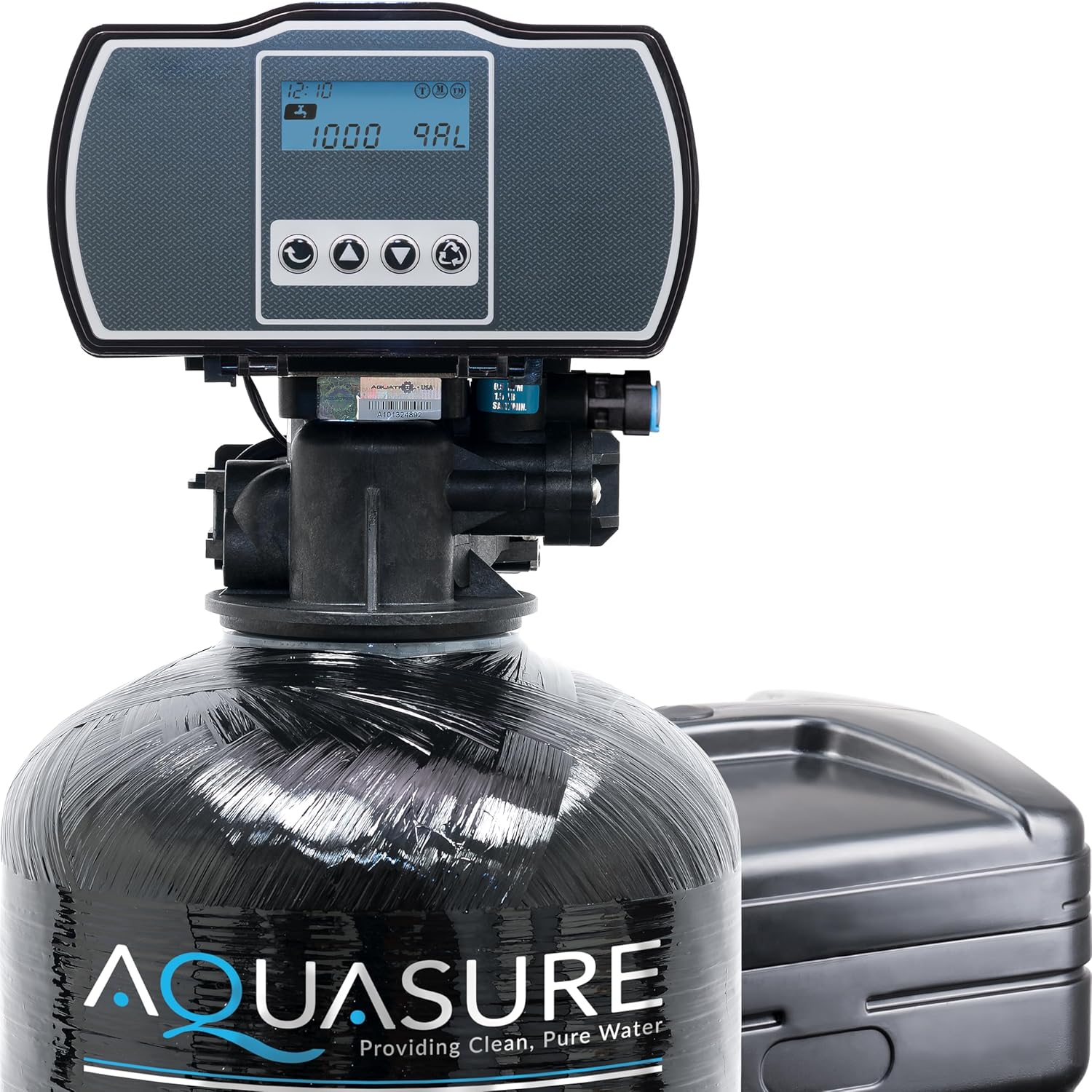
DF — Display Format
Set to Gal (US gallons). Liters works abroad, but every dialysis-machine manual referenced in the US uses gallons.
VT — Valve Type
Set to dF1b for a standard downflow 5600SXT softener with a single backwash. Do not select Filter mode.
CT — Control Type
Set to Fd (Meter Delayed). A dialysis household needs regeneration that fires only at the scheduled clock time after capacity is exhausted, not the moment the last gallon trips. Immediate (FI) regen mid-evening can knock the dialysis machine offline if it happens to draw during the brine rinse.
NT — Number of Tanks
Set to 1 unless you are running twin alternating tanks (rare in residential dialysis setups).
C — Capacity
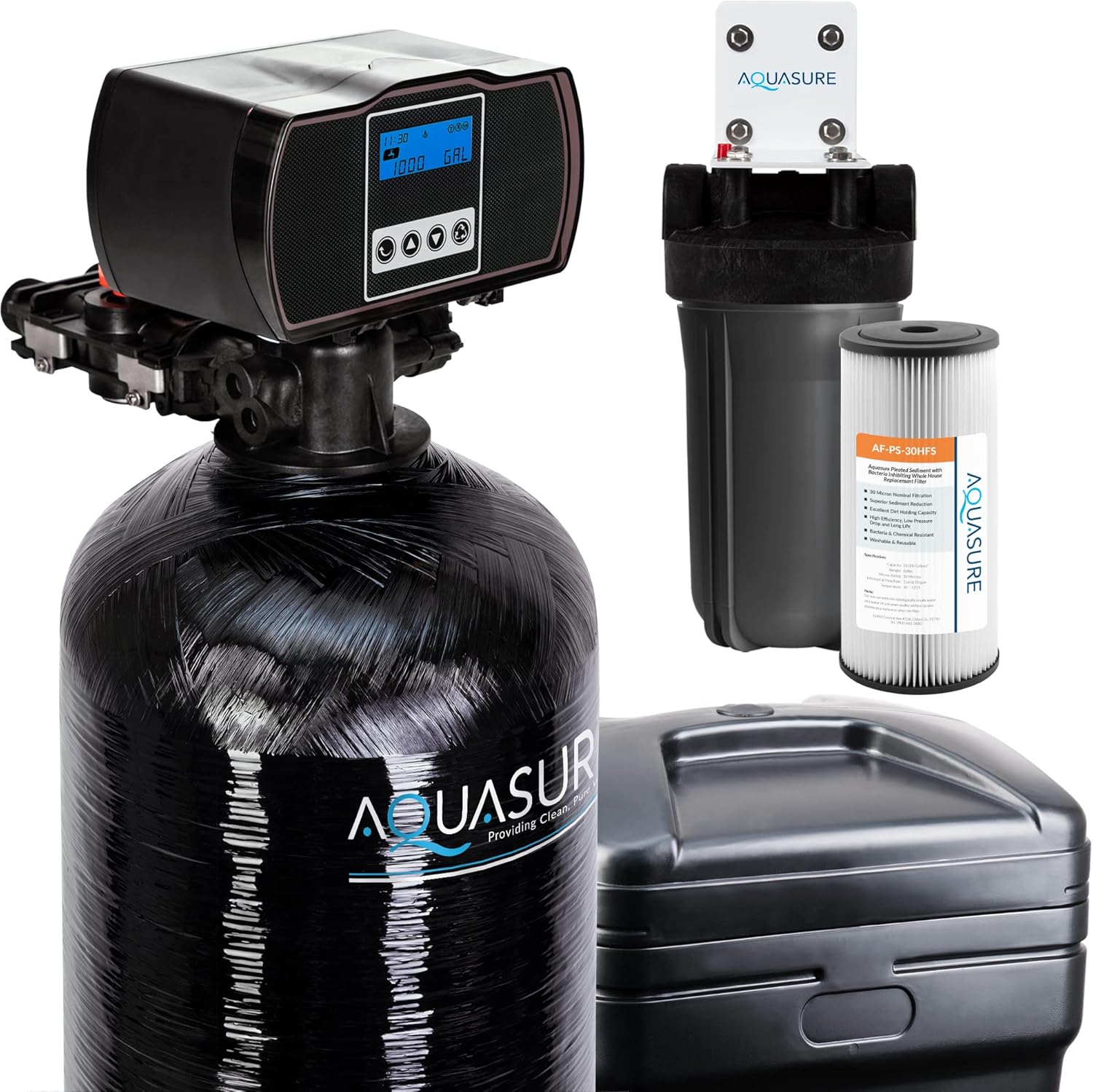
This is the calculated soft-water capacity in grains. For a 1.5 cu ft tank dosed at 9 lb/cu ft salt, the working capacity is roughly 32,000 grains. Enter 32000. Do not chase the maximum 45,000-grain rating — over-dosed regenerations waste salt and leave residual sodium spikes that the dialysis RO has to scrub.
H — Hardness
Enter your tested grains per gallon. If you tested 18 gpg, enter 18. Do not add a “compensation” for iron here; pre-treat iron upstream instead.
RS — Reserve Selection
Choose SF (Safety Factor) and set it to 20%. This guarantees regeneration triggers before capacity is truly exhausted — critical when a treatment day uses 40–60 gallons of prep water.
DO — Day Override
Set to 7. Even a low-use week forces a regeneration once weekly to prevent resin channeling and bacterial growth in the bed.

RT — Regeneration Time
Set to 02:00. Confirm with the patient that no overnight PD exchanges run during the 2:00–4:00 a.m. window. If they do, move to 03:30 or whatever falls cleanly between cycles.
BW, BD, RR, BF — Cycle Step Times
Defaults work for most installations: BW 10, BD 60, RR 10, BF 12. If your raw water has visible sediment, extend BW to 14 minutes.
Comparison: upstream filtration choices that protect the Fleck and the dialysis loop
| System | Best For | Chloramine? | Iron Capable? | Sediment Stage |
|---|---|---|---|---|
| Express Water 3-Stage | Municipal homes, budget builds | Standard carbon (good for chlorine) | No | Yes, sediment + 2 carbon |
| Aquasana 500K UV+Carbon+KDF | Well water, larger households | Catalytic blend | Limited (low iron) | Yes, with UV polish |
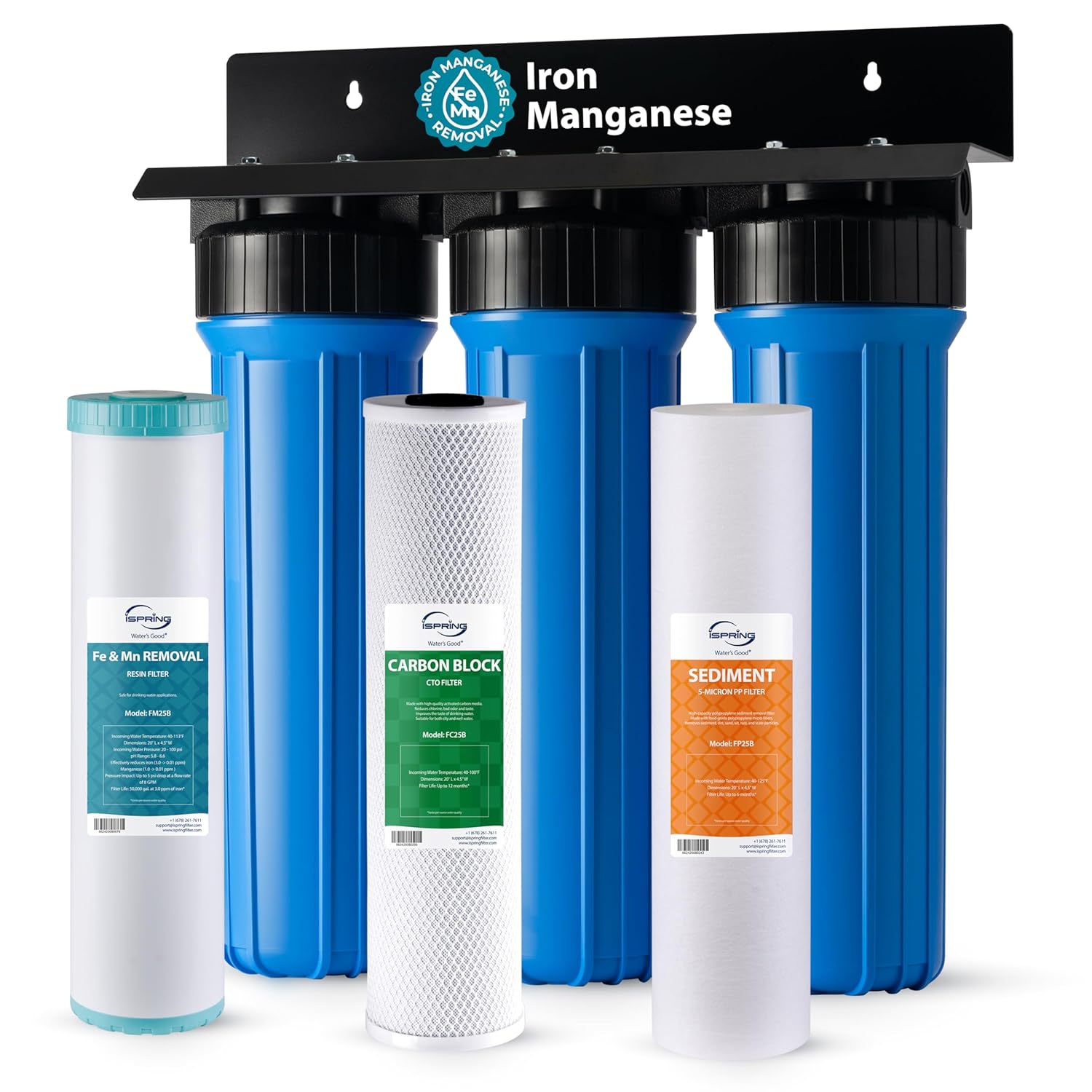
| iSpring Iron & Manganese | Wells with Fe > 0.3 ppm | No (pair with carbon) | Yes, oxidizing media | Yes |
| HQUA WF3-01 | Compact basements | Standard carbon | No | Yes, sediment + carbon + KDF |
| Aquaboon 5-micron sediment | Pre-filter for any of the above | No | No | Yes, dedicated |
Recommended upstream and parallel products for a dialysis household
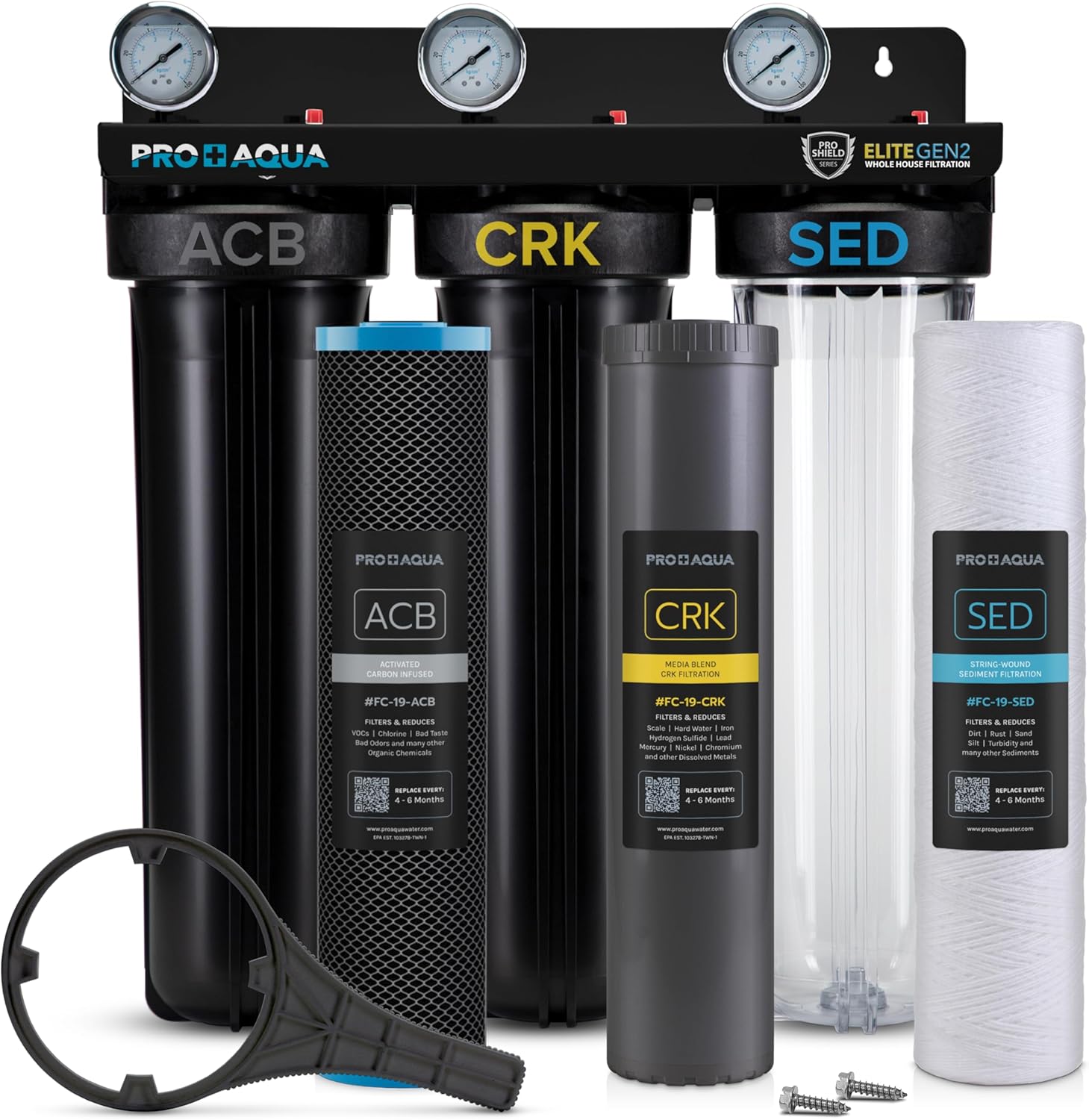
Express Water 3-Stage Whole House Water Filter System
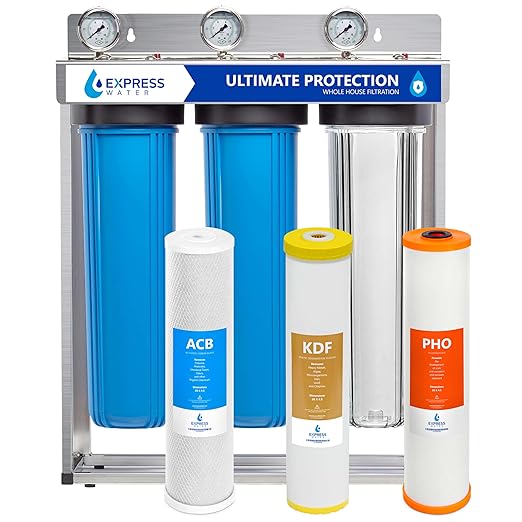
For a municipal home where chlorine, not chloramine, is the disinfectant, the Express Water 3-Stage is the cleanest match. The sediment + KDF + carbon stack drops free chlorine well below 0.1 ppm before the Fleck’s resin sees it, which is the single biggest extender of resin life. In a dialysis household this matters because the machine’s own carbon tanks then act as a true polishing stage and last their full rated life. View the Express Water 3-Stage on Amazon.
Aquasana Whole House Well Water Filter, 500K Gallons, UV+Carbon+KDF
For a well-water dialysis home, the Aquasana 500K is the most complete pre-Fleck stack we recommend in 2026. UV handles the microbiological load that a private well can introduce, KDF tames any trace metals, and the carbon block addresses both chlorine and chloramine adequately when the well draws from a municipally-supplemented aquifer. It is the only single-SKU answer that meaningfully reduces both biological and chemical risk upstream of the resin. See the Aquasana 500K on Amazon.
iSpring Iron & Manganese Whole House Water Filtration System
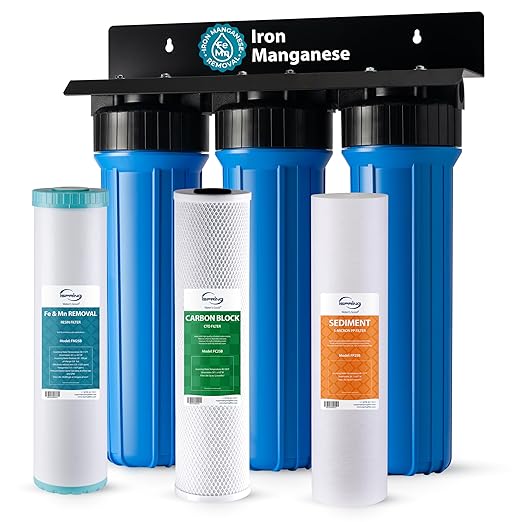
If your well report shows iron above 0.3 ppm or any manganese, do not install the Fleck without an iron-specific stage. The iSpring oxidizing-media system removes iron and manganese so the softener resin is not asked to do a job it will fail at within weeks. A dialysis household cannot tolerate the intermittent hardness leakage that iron-fouled resin produces. Check the iSpring iron filter on Amazon.
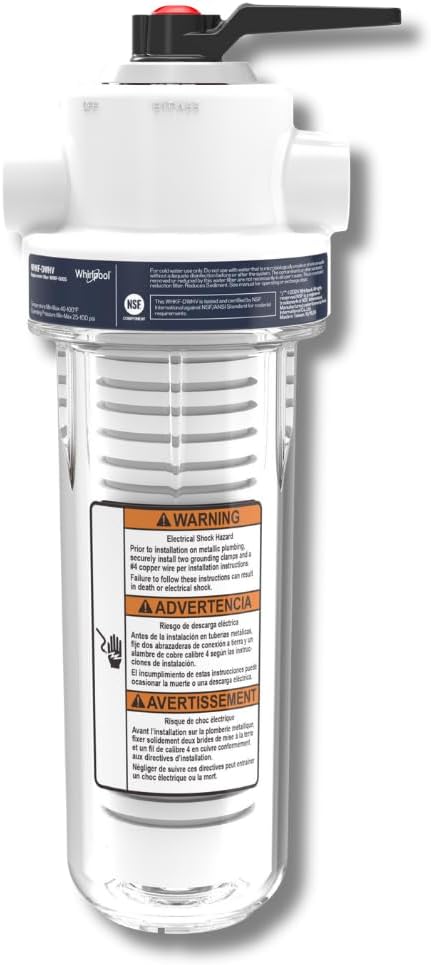
HQUA WF3-01 3-Stage Whole House Water Filtration System
The HQUA WF3-01 is a compact, basement-friendly alternative when space is tight near the dialysis cabinet. Three stages — sediment, GAC, and KDF — give a respectable chlorine reduction profile and a clean visual presentation when a caregiver needs to swap cartridges quickly. View the HQUA WF3-01 on Amazon.
Aquaboon 5 Micron 10x4.5 Well Water Sediment Filter (4-Pack)
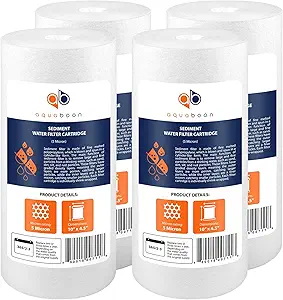
A 4-pack of 5-micron 10x4.5 sediment cartridges is the unglamorous insurance every dialysis home should keep on hand. Sediment loading is the silent killer of softener performance, and the difference between a 6-month and a 14-month resin bed often comes down to whether the sediment pre-filter was changed on a real schedule rather than “when we remember.” Keep them on the shelf. Grab the Aquaboon 4-pack on Amazon.
Bypass labeling, regeneration scheduling, and caregiver SOP
The single most important physical step in a dialysis softener install is labeling the bypass. Place a laminated tag on the bypass handle that reads: “OFF = HARD WATER TO DIALYSIS. KEEP IN SERVICE POSITION UNLESS BIOMED INSTRUCTS.” Caregivers under stress will reach for the handle they remember; remove the ambiguity.
For scheduling, write the regeneration time on the same tag and on the cycler’s log sheet. If treatment moves to a new time of day, the Fleck’s RT must move with it. A 5600SXT will happily regenerate in the middle of a fill cycle if no one updates it after a clinic schedule change.
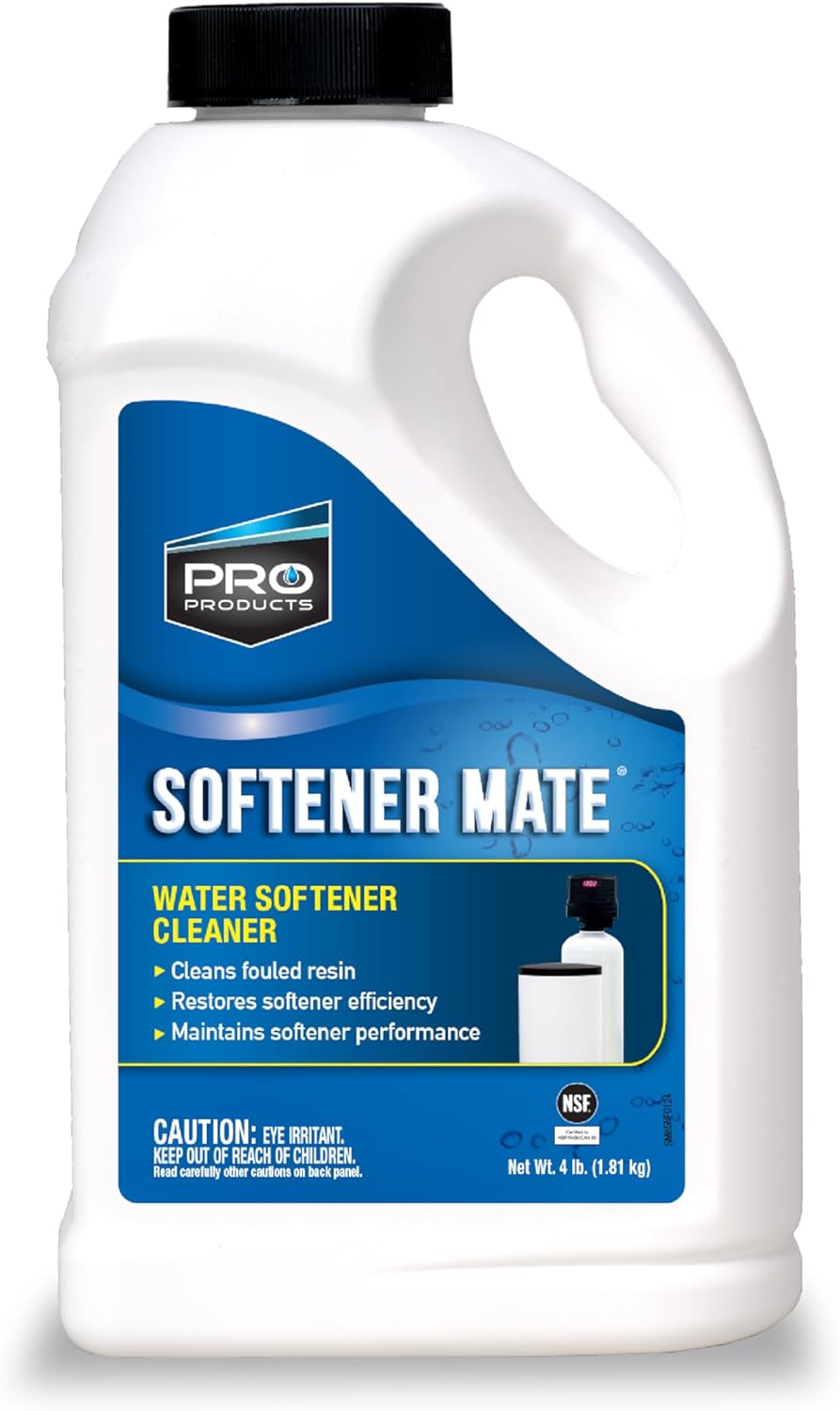
Finally, document the salt dose. The fleck 5600sxt settings home dialysis household philosophy is “just enough, never more.” A 6–9 lb/cu ft salting on a 1.5 cu ft tank gives the cleanest sodium profile downstream while still delivering reliable soft water between regenerations. See our salt dose calculator and worksheet for the exact pounds-per-regeneration math.
Frequently Asked Questions
Can a Fleck 5600SXT replace the carbon tanks on a home hemodialysis machine?
No. The 5600SXT is a softener, not a chloramine kill. The dialysis manufacturer’s carbon tanks are required equipment and must remain in service. The softener and any upstream carbon are protection layers that extend the life of those tanks — never substitutes.
What is the safest regeneration time for a peritoneal dialysis household?
Pick a two-hour window when no PD exchange is running and no cycler fill is scheduled. For most patients that is 2:00–4:00 a.m. or 3:30–5:30 a.m. Confirm with the patient’s actual cycler program, not a generic assumption, and update the Fleck RT setting whenever the treatment schedule changes.
How often should I change sediment filters in a dialysis home?
Every 60 days on municipal water and every 30–45 days on well water, regardless of how the cartridge looks. Pressure drop across a fouled sediment filter destabilizes flow to both the softener and the dialysis RO; a fresh cartridge is cheap insurance. Keep a four-pack on the shelf so a swap is never delayed.
Should I set the Fleck salt dose higher to be safe?
No. Over-salting raises sodium in the soft water and forces the dialysis RO to work harder for the same product-water purity. Use the manufacturer-recommended 6–9 lb/cu ft and rely on the 20% safety factor reserve instead. The goal is consistent zero-hardness output, not maximum capacity per regeneration.
What hardness reading do I enter if my water tests at 0.5 ppm iron and 15 gpg hardness?
Enter 15 in the H setting and address the iron upstream with a dedicated iron filter. Adding a “hardness compensation” for iron is a shortcut that works on a laundry softener but fails in a dialysis household because the resin still fouls. Pre-treat the iron, then let the Fleck do its actual job.
Can I use a Fleck 5600SXT with chloramine-disinfected water?
Yes, but only if a catalytic carbon stage precedes it. Standard GAC does not break chloramine fast enough at residential flow rates, and chloramine will degrade softener resin within a year. Either the Aquasana 500K or a dedicated catalytic carbon tank ahead of the 5600SXT is required for chloraminated municipal supplies.
Do I need to bypass the softener during a power outage?
The 5600SXT holds program in non-volatile memory and resumes scheduling once power returns; only the clock needs to be reset. However, if the outage lasts more than 24 hours, manually trigger a regeneration after power returns to flush any stagnant resin before the next dialysis treatment. Caregivers should be trained on the manual REGEN button as part of the install handover.
Key Takeaways
- Choosing the right fleck 5600sxt settings home dialysis household means matching capacity and output ports to your actual devices
- Always check actual watt-hours (Wh), not just watts — runtime depends on Wh, not peak output
- Also covers: fleck 5600sxt dialysis water requirements
- Also covers: softener settings for dialysis patients
- Also covers: fleck programming dialysis machine compatibility
- Compare price-per-Wh across models to find the best value for your budget