To maintain iSpring WGB32B municipal hydrant flush sediment loads, swap the first-stage 5-micron polypropylene cartridge within 48 hours of any utility flush, isolate the system with a manual bypass before the crew opens the hydrant, and inspect both carbon stages for premature channeling. Homes downstream of frequently flushed hydrants in 2026 typically burn through pre-filters two to three times faster than the iSpring manual's 6–12 month guidance. A disciplined routine of pre-flush isolation, post-flush cartridge inspection, and seasonal carbon replacement keeps your WGB32B delivering full flow and the chlorine reduction it was engineered for, even on aggressive municipal lines.
Why municipal hydrant flushes punish the WGB32B
When your utility opens hydrants — whether it's a scheduled spring or fall directional flush, a main repair, or an emergency pressure event — they intentionally accelerate flow to scour pipe walls. The result is a slug of rust scale, manganese oxides, biofilm fragments, and decades-old sediment that travels straight to your service line. Your iSpring WGB32B is the first thing standing between that slug and your water heater, washing machine, and fixtures.
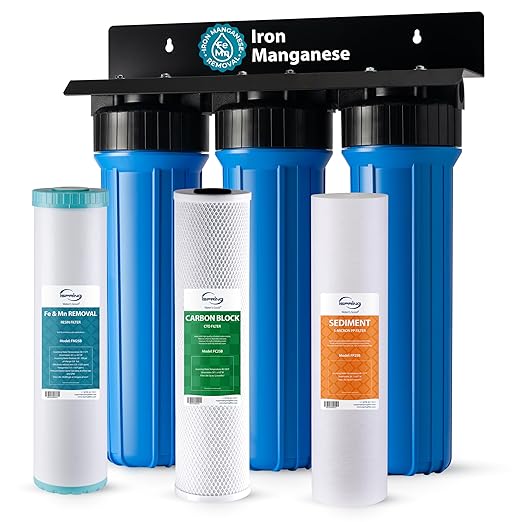
The WGB32B's stock configuration uses three 4.5" x 20" cartridges: a 5-micron sediment pre-filter followed by two CTO (chlorine, taste, odor) carbon block stages. Each stage is rated for roughly 100,000 gallons under normal municipal conditions, but a single hydrant flush event can deposit the equivalent of weeks of sediment in minutes. The pre-filter clogs first, system pressure drops, and worse — fine particles begin tunneling around the loaded sediment stage and embedding in your carbon blocks, where they create permanent channels that reduce chlorine contact time and shorten the carbon's useful life by months.
Get ahead of a planned flush: the 24-hour prep checklist
Most utilities post a hydrant flushing calendar on their website or social channels. If you can find yours, you've already won half the battle. Twenty-four hours before a scheduled flush in your zone:
- Confirm at least one spare 5-micron sediment cartridge is on the shelf — having two on hand is safer for back-to-back flush days.
- Inspect the WGB32B's red pressure relief buttons and confirm housings are hand-tight, not over-torqued.
- Note the static inlet pressure (most homes run 50–70 psi). You'll compare against this number afterward.
- Fill a few gallons of drinking water in pitchers so you can keep the system isolated during the flush if needed.
- Verify your bypass valves cycle freely; sticky ball valves are the #1 reason homeowners give up and run dirty water through the system anyway.
- Quarterly: Visual pressure check; log inlet PSI and post-system PSI in a notebook taped to the housing bracket.
- After every known flush event: Open the sediment housing within 48 hours. Replace if cake exceeds 1/8" or color is rust-orange.
- Every 4 months in flush-heavy zones: Replace the sediment cartridge regardless of appearance — fine particles bypass visually clean cartridges.
- Every 6 months: Sanitize housings with food-grade hydrogen peroxide or a diluted bleach rinse, then flush three full housing volumes before reinstalling cartridges.
- Every 9–12 months: Replace both CTO carbon stages together; never stagger them, because the loaded stage will keep dumping color into the fresh one.
- O-ring deformation: Repeated depressurization cycles flatten the housing o-rings. Replace with genuine iSpring or quality buna-N replacements annually.
- Housing micro-cracks: Pressure spikes during flushes can stress the clear sump. Inspect with a flashlight for hairline cracks at each cartridge change.
- Bracket fatigue: The metal mounting bracket loosens under repeated vibration. Re-torque the lag bolts annually.
- Pressure gauge drift: If you added optional inlet/outlet gauges, calibrate or replace them yearly — a misreading gauge is worse than no gauge.
The day of the flush: isolate or filter aggressively
You have two playbooks. The conservative approach closes the inlet ball valve on the WGB32B before the crew arrives, runs the bypass loop if you installed one, and waits an hour after the flush ends before re-opening the system. This protects all three cartridges from the worst of the slug entirely.
The pragmatic approach — for homes without bypass plumbing — leaves the system in service and accepts that the pre-filter will absorb the hit. In that case, open a downstream hose bib for 10–15 minutes after the flush ends to push debris through the pre-filter and out, rather than letting it settle in stagnant housing water. Whatever you do, avoid running hot water during a flush; the rust slug will deposit inside your water heater and create a multi-year iron staining headache.
Post-flush inspection: what to check within 48 hours
Compare your current inlet pressure to the pre-flush baseline. A drop of more than 8–10 psi across the WGB32B almost always means the sediment cartridge is loaded. Shut off the inlet, depressurize via the red buttons, and open the first housing. Healthy used cartridges look uniformly tan; flush-damaged ones show rust-orange banding on the outer pleats and sometimes a slimy biofilm coating. Replace immediately.
Then pull the carbon stages. If the cartridge walls show fine rust speckling or you can rub orange residue off with a paper towel, the carbon is contaminated and chlorine breakthrough is likely within weeks. Replacing one or both carbon stages early is far cheaper than dealing with chlorinated water reaching your water heater, where it can attack the anode rod and accelerate tank corrosion.
Best replacement filters and upgrade systems for flush-heavy municipalities
Aquaboon 5 Micron Sediment Filter 4-Pack — Stock-Up Pick for Pre-Stage Housings
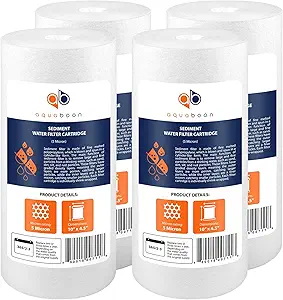
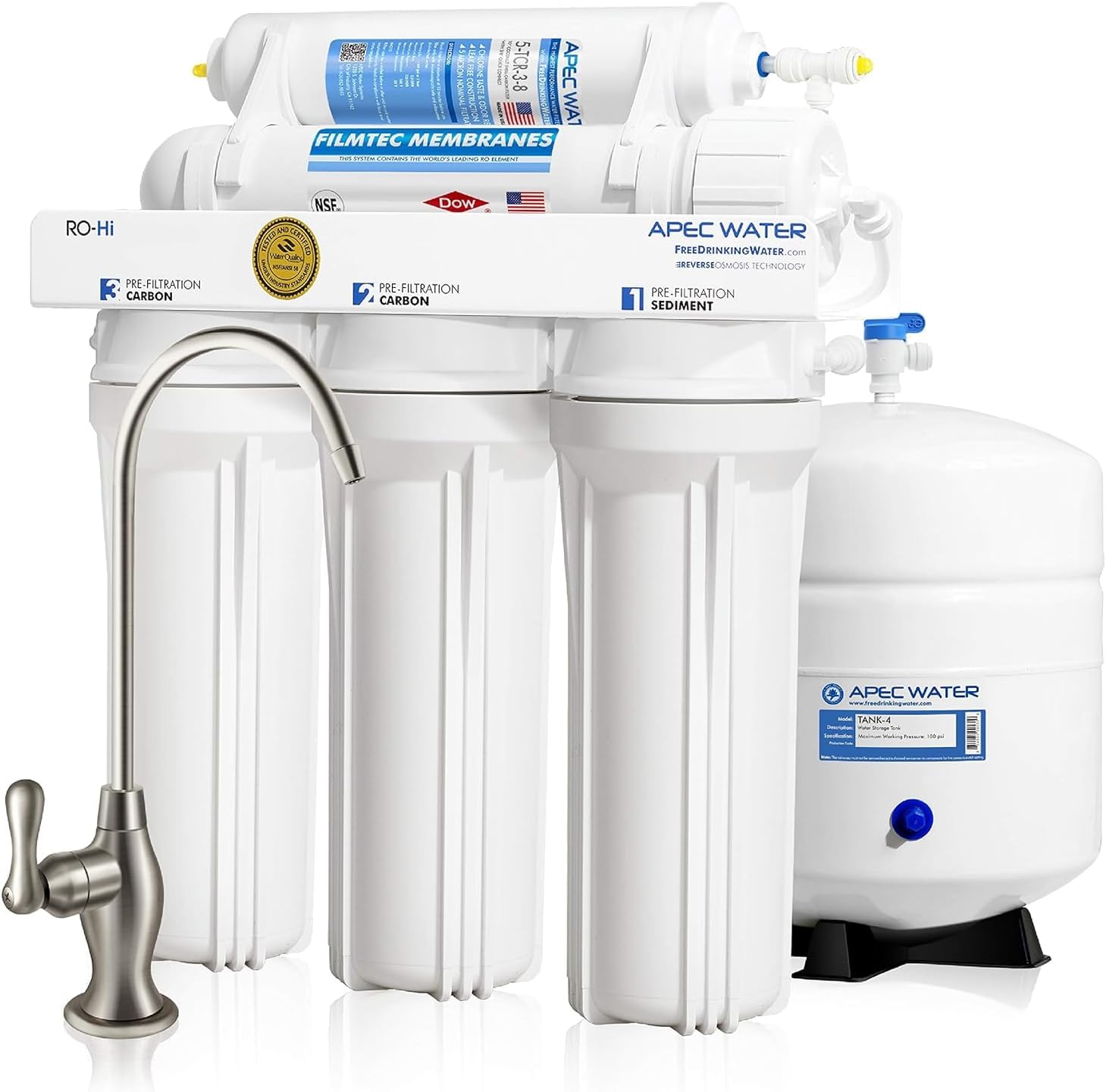
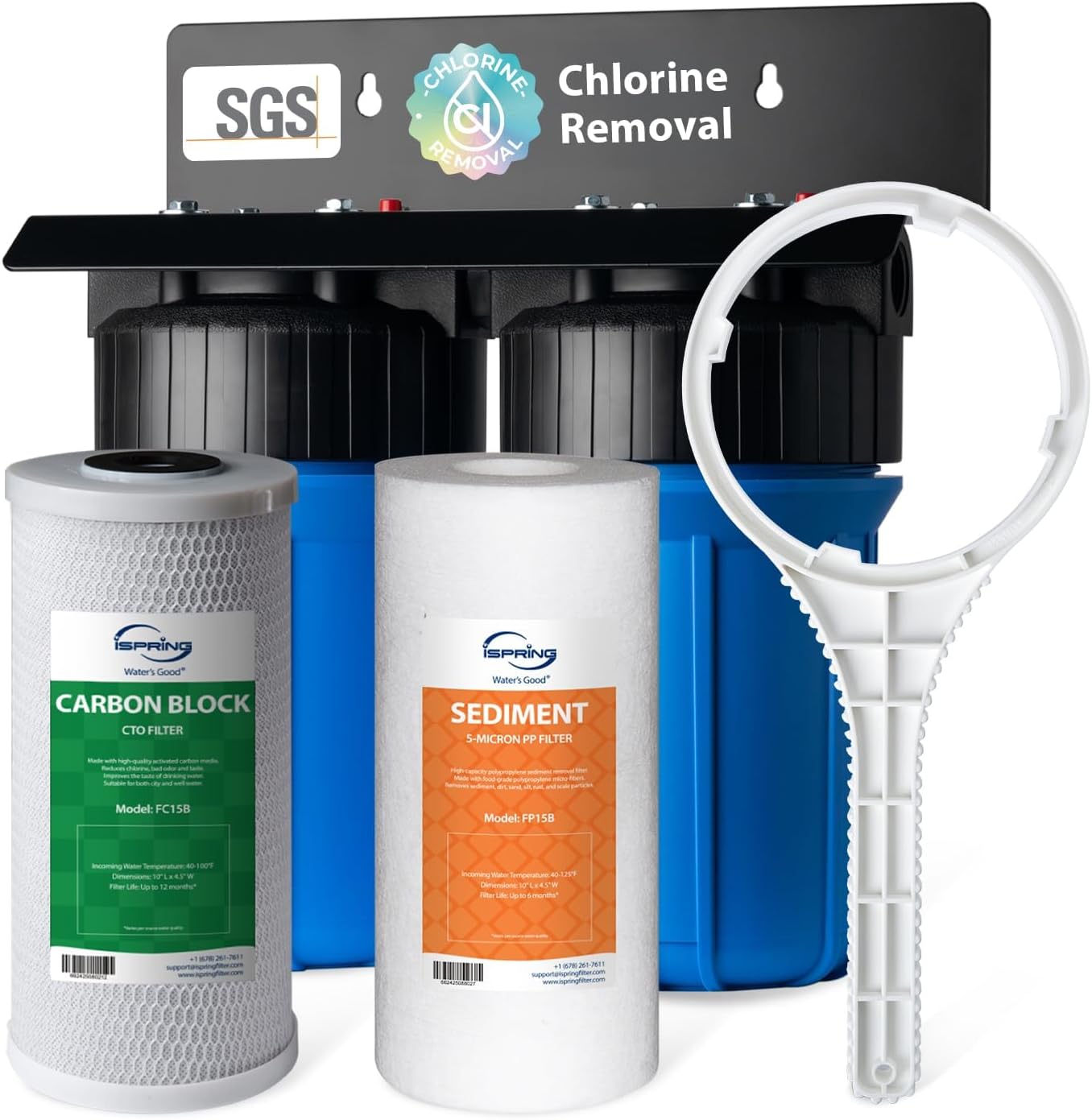
The WGB32B's biggest weakness in flush-heavy areas is that genuine iSpring 20-inch cartridges sometimes go out of stock right when you need them most. The smartest upgrade many WGB32B owners make is adding a 10" x 4.5" "Big Blue" pre-stage housing upstream of the WGB32B, which lets you use widely available 10-inch cartridges as a sacrificial first defense. The Aquaboon 4-pack is purpose-built for this duty and stocking four cartridges means you'll never bypass the filter during an unexpected flush. Check the Aquaboon 4-pack on Amazon.
iSpring Iron & Manganese Whole House Filtration System — Upstream Iron Stage
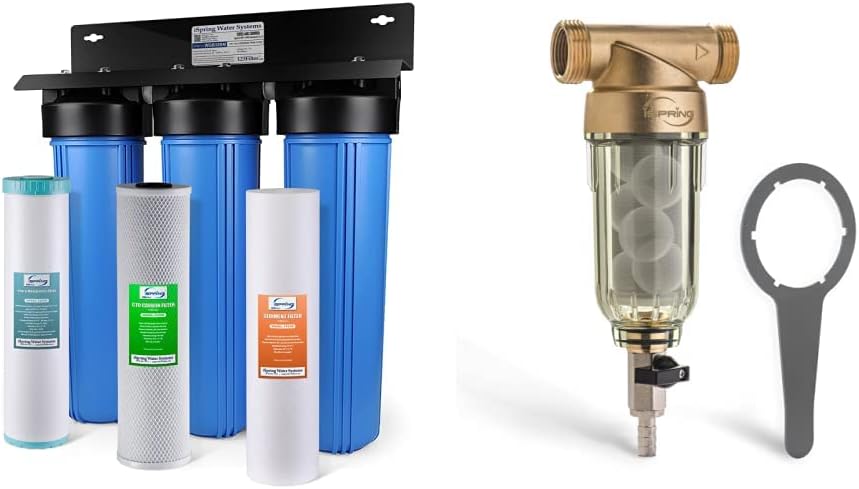
If post-flush water in your area consistently brings rust and manganese — common in older cast-iron municipal mains — pairing your WGB32B with iSpring's dedicated iron and manganese system upstream eliminates the rust slug before it ever touches your sediment cartridge. This dramatically extends WGB32B cartridge life and prevents the orange staining on carbon stages that's so hard to reverse. It's the highest-leverage upgrade for homeowners on chronically dirty municipal mains. View the iSpring iron and manganese system on Amazon.
Express Water 3-Stage Whole House — Parallel Bypass System
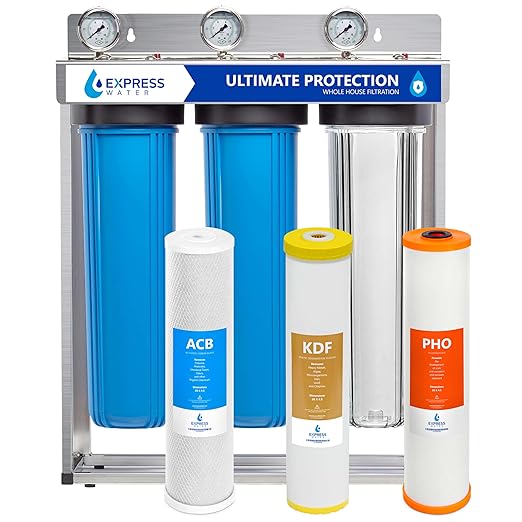
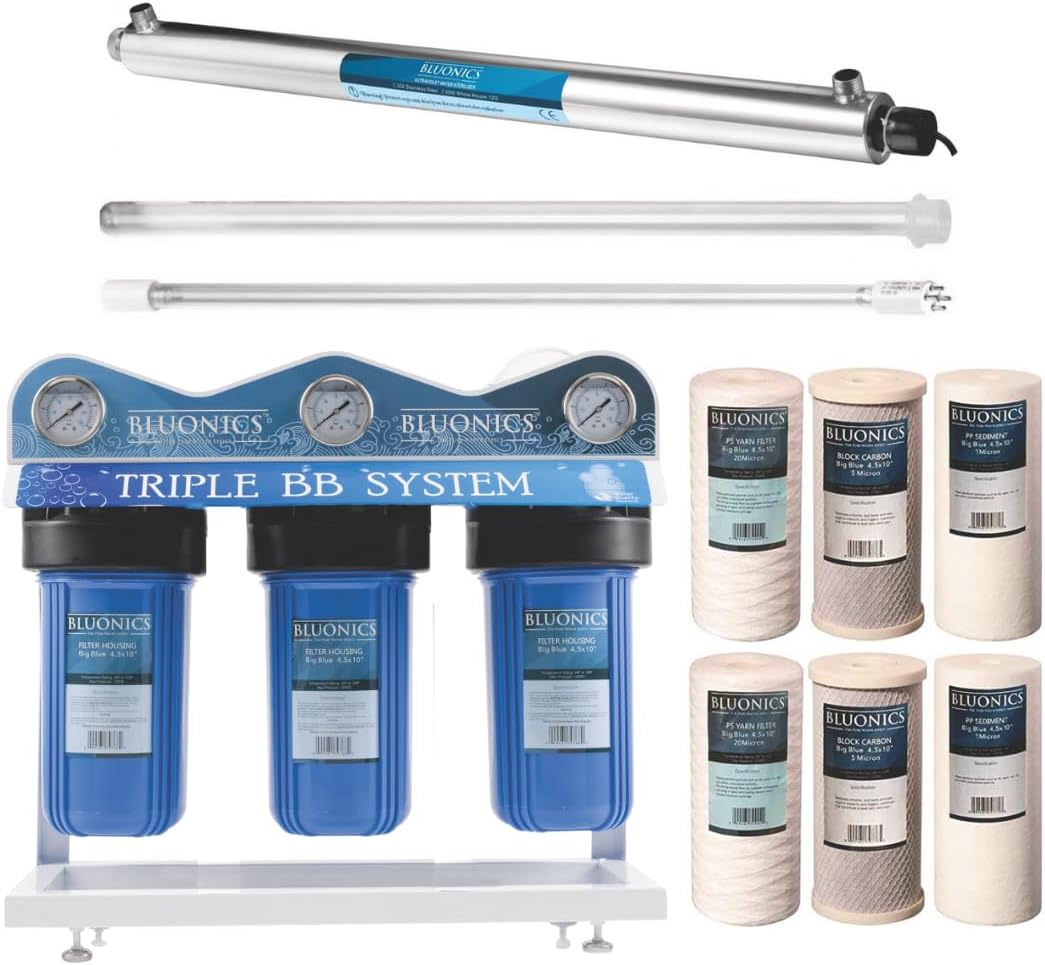
Some homeowners with frequent flush events install a second, simpler 3-stage system on a parallel loop. During flushes, they isolate the WGB32B and run on the simpler Express Water unit, which catches the worst sediment so the WGB32B's expensive carbon stages are spared. The Express Water unit uses widely available standard-size cartridges and is straightforward to plumb in if you have basic copper or PEX skills. See the Express Water 3-stage system on Amazon.
HQUA WF3-01 — Budget Backup System
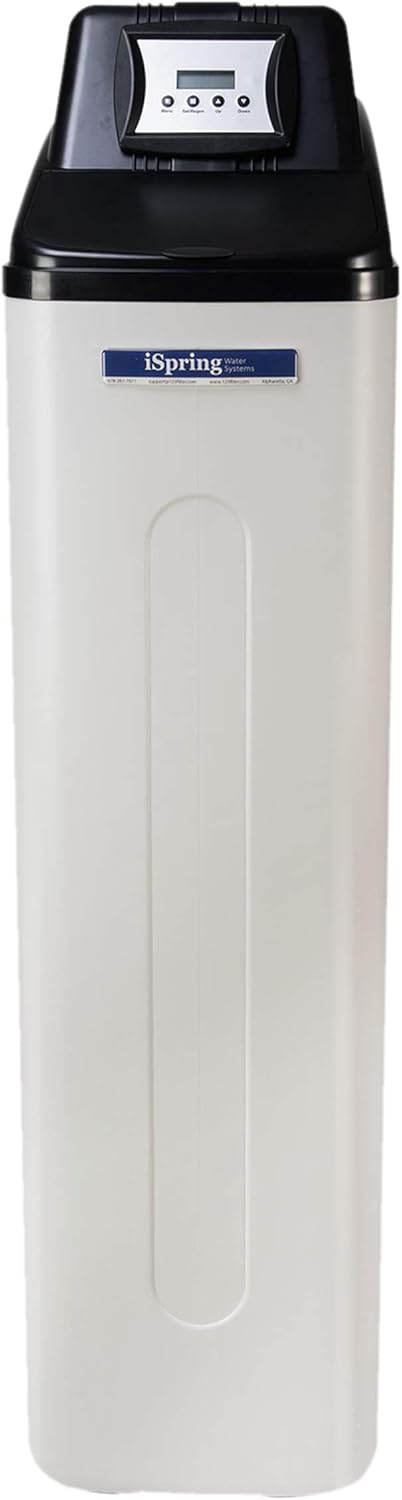
Another approach is to keep an HQUA WF3-01 as a dedicated sacrificial system that runs only during flush events. Its standard 10-inch housings accept inexpensive cartridges and it tolerates rough sediment loads without complaint. Switching the household over to the HQUA for the duration of a planned flush is far cheaper than burning through WGB32B carbon blocks. Check the HQUA WF3-01 on Amazon.
Comparison table: pairing options for flush-heavy WGB32B owners
| Option | Best for | Cartridge size | Approx. capacity | Plumbing effort |
|---|---|---|---|---|
| Aquaboon 10"x4.5" 4-pack | Adding a 10" pre-stage Big Blue housing | 10" x 4.5" | ~30k gal/cartridge | Low (drop-in) |
| iSpring Iron & Manganese | Rust/manganese-heavy mains | Tank-based media | ~1M gal media life | High |
| Express Water 3-Stage | Parallel bypass loop | 10" x 4.5" | ~100k gal | Medium |
| HQUA WF3-01 | Sacrificial flush-day backup | 10" x 2.5" | ~30k gal | Low |
Building a year-round WGB32B schedule for flush-heavy areas
The factory schedule of "every 6–12 months" assumes a stable municipal supply. To maintain iSpring WGB32B municipal hydrant flush sediment damage, build your own schedule around your utility's flush calendar instead. A workable 2026 framework:
For more on related topics, see our guides on choosing the right sediment pre-filter, iron and manganese treatment for whole-house systems, and diagnosing pressure drops across whole-house filters.
Common WGB32B failure modes after repeated flushes
Homeowners who want to maintain iSpring WGB32B municipal hydrant flush sediment exposure long-term should also track non-cartridge wear. Repeated flush exposure introduces wear that doesn't reverse with cartridge swaps. The most common failure points are:
Frequently Asked Questions
How often should I change WGB32B filters if my city flushes hydrants monthly?
For monthly flushing, plan on sediment cartridge replacement every 8–12 weeks at a minimum, with visual inspection within 48 hours of each flush. Carbon stages should still hit 9–12 month replacement intervals if the sediment stage is doing its job, but inspect them quarterly for orange discoloration that indicates iron breakthrough.
Can I leave the WGB32B in service during a hydrant flush or should I bypass it?
If you have a bypass loop installed, use it — bypassing protects all three cartridges from the worst of the slug. Without a bypass, the system will still function but expect to replace the sediment cartridge within days. Never bypass and leave the carbon stages exposed to chlorine spikes that often accompany flush events.
Will hydrant flushes void my iSpring WGB32B warranty?
No. Normal municipal water supply, including flush events, is within the WGB32B's design conditions. Warranty exclusions typically cover untreated well water, water above 100°F, and physical damage. Keep records of your cartridge replacements — iSpring's warranty support sometimes asks for proof of a consumable replacement schedule.
What pressure drop across the WGB32B means I should change the sediment filter?
A pressure drop greater than 10 psi across the full system (inlet to outlet) is the standard trigger. If you only have inlet pressure data, watch for a drop of 8 psi or more from your baseline, or any noticeable reduction in shower flow at fixtures upstairs. Don't wait for visible color — fine sediment plugs cartridges before they look fully spent.
Are off-brand sediment cartridges safe to use in the iSpring WGB32B?
Generic 4.5" x 20" 5-micron polypropylene cartridges from reputable manufacturers fit and perform comparably for sediment removal. The main risks with off-brand cartridges are inconsistent micron ratings (a "5 micron" cartridge that's actually 10 micron will pass more particles) and inferior end caps that can bypass. Stick to NSF-certified brands when possible.
Does the WGB32B remove chloramine or just chlorine?
The stock CTO carbon blocks in the WGB32B are optimized for free chlorine, taste, and odor. They will reduce chloramine, but slowly and incompletely. If your municipality switched to chloramine disinfection — and many did between 2020 and 2026 — consider upgrading at least one stage to a catalytic carbon cartridge that's purpose-built for chloramine reduction.
Should I add a sediment pre-stage upstream of my WGB32B?
Yes — in flush-heavy municipalities this is the single highest-leverage upgrade. A simple 10" x 4.5" "Big Blue" housing with a 20-micron cartridge installed upstream catches coarse rust and scale before it reaches your WGB32B sediment stage. Stocking the Aquaboon 4-pack makes ongoing maintenance trivial and gives you a buffer when you need to maintain iSpring WGB32B municipal hydrant flush sediment loads on short notice.
Key Takeaways
- Choosing the right maintain iSpring WGB32B municipal hydrant flush sediment means matching capacity and output ports to your actual devices
- Always check actual watt-hours (Wh), not just watts — runtime depends on Wh, not peak output
- Also covers: iSpring WGB32B after hydrant flushing
- Also covers: WGB32B sediment from city flushing
- Also covers: iSpring WGB32B post flush maintenance
- Compare price-per-Wh across models to find the best value for your budget