If a recent water test came back positive for coliform, E. coli, or pseudomonas, you need to disinfect Aquasana Rhino EQ-1000 bacterial contamination immediately and follow a strict shock-chlorination protocol before drinking from any tap in the house. The short answer in 2026: isolate the unit, bypass the carbon tank, shock-chlorinate the plumbing upstream with a 50–200 ppm free chlorine solution, flush thoroughly, replace the pre-filter and (if needed) the carbon media, retest in 48–72 hours, and add a UV sterilizer downstream so it cannot happen again. Below is the full step-by-step procedure, the parts you need on hand, and the long-term fix that prevents repeat events.
Why the Rhino EQ-1000 Is Vulnerable to Bacterial Contamination
The Aquasana Rhino EQ-1000 is a fantastic carbon-based whole-house filter, but it has one well-documented weakness: it is not a disinfection system. Activated carbon removes chlorine, chloramines, VOCs, pesticides, and herbicides, but the moment chlorine is stripped out of the incoming municipal water, the warm, dark, nutrient-rich carbon bed becomes an ideal habitat for heterotrophic bacteria. On well water or after a boil-water advisory, the problem is even worse because pathogens can enter the system in the first place with nothing to kill them.
Typical triggers that lead homeowners to disinfect Aquasana Rhino EQ-1000 bacterial contamination include:
- A boil-water notice issued by the local utility
- Switching from city water to a private well without adding UV
- A long vacation or seasonal home where water sat stagnant for weeks
- A pressure-loss event (main break, pump failure) that allowed back-siphonage
- A positive total coliform result from an annual water test
- Slimy biofilm, musty odors, or pink/black staining around fixtures
Step 1: Confirm the Contamination Before You Disinfect
Do not start dumping bleach into the system on a hunch. Pick up a certified lab kit or a Watercheck mail-in test (around $35 in 2026) and confirm whether you are dealing with total coliform only, fecal coliform/E. coli, iron bacteria, or sulfate-reducing bacteria. The disinfection protocol is the same for all of them, but follow-up retesting is critical for E. coli because that is a sewage-contact indicator and may require well-cap repair or septic remediation in addition to the filter shock.
Step 2: Gather Your Disinfection Supplies
You will need the following before you touch a valve:
- 1–2 gallons of plain, unscented household bleach (5.25–8.25% sodium hypochlorite)
- Chlorine test strips that read 0–200 ppm free chlorine
- Replacement 20-inch, 5-micron sediment pre-filter cartridge for the EQ-1000 housing
- A bucket, funnel, and chemical-resistant gloves
- Teflon tape and a strap wrench for the housing sump
- A garden hose connected to the post-filter drain valve
If the carbon tank itself is suspected to be colonized (musty smell from the outlet, biofilm visible at the riser), you should plan on either a media replacement or a full system swap. Carbon that has been chronically contaminated rarely recovers to drinking-water quality with chlorine alone.
Step 3: The Shock-Chlorination Procedure
- Shut off the inlet valve to the Rhino and open the bypass so the house has water from raw supply (do not drink it — use it for flushing only).
- Depressurize by opening the red pressure-relief button on top of the pre-filter housing.
- Remove the sediment cartridge from the pre-filter sump. Discard it — it is biologically compromised and will not survive disinfection.
- Pour 1 cup of bleach directly into the empty pre-filter sump and reassemble.
- Close bypass, open inlet very slowly. Let chlorinated water push through the carbon tank until you smell strong chlorine at the outlet (this can take 15–45 minutes depending on tank size).
- Walk every fixture in the house — cold and hot — and open them until you smell chlorine, then close. Do not forget exterior hose bibs, ice makers, washing machine fills, and the water heater drain.
- Let it sit 12–24 hours. Do not use water. Place ‘Do Not Drink’ signs on every tap.
- Flush by running each outdoor hose bib until chlorine strips read below 0.5 ppm. Then flush indoor taps. Plan on 200–400 gallons of total flush.
- Install the new sediment cartridge and a fresh post-carbon polishing filter if your system has one.
- Retest at 48 and 72 hours after flushing.
Step 4: Replace the Front-End Filter Cartridge
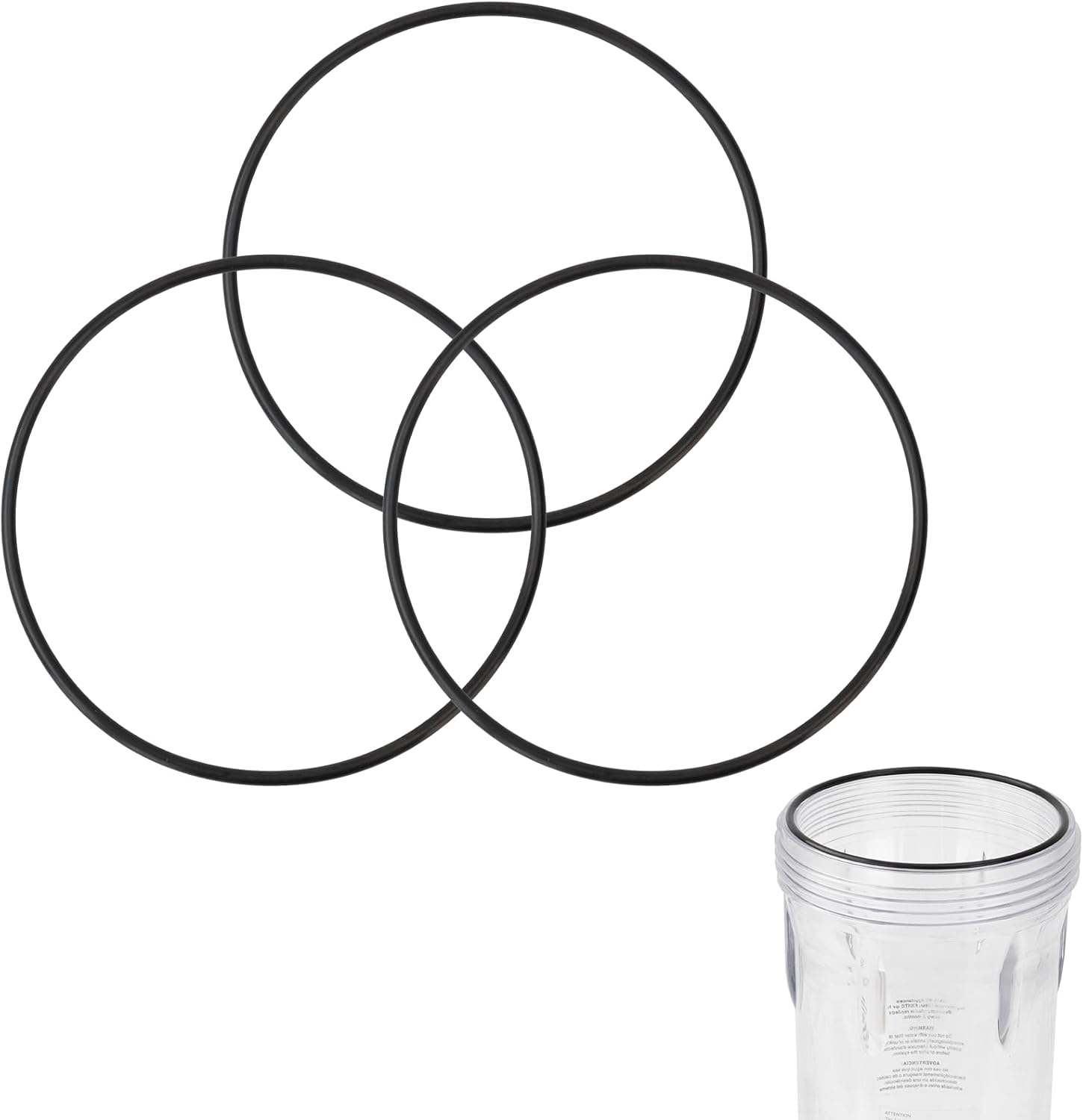
The 20×4.5-inch sediment pre-filter is the single most important consumable when you disinfect Aquasana Rhino EQ-1000 bacterial contamination. Bacteria love to colonize spent sediment media, so you should replace it the moment the shock dwell ends and again at 30 days as a precaution.
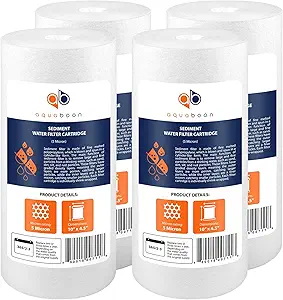
Aquaboon 5 Micron 10x4.5 Well Water Sediment Filter (4-Pack)
These 4.5-inch big-blue cartridges fit the EQ-1000 pre-filter housing perfectly and the 4-pack gives you enough to do the post-shock change plus three quarterly swaps for the year. The 5-micron rating is the sweet spot Aquasana specifies, and buying a multi-pack saves significantly versus single OEM cartridges. Check current pricing on Amazon.
Step 5: Add Permanent Disinfection (The Real Fix)
Shock-chlorination is a one-time emergency reset. If your incoming water has any pathogen risk — well source, lake source, recurring boil notices, or simply older municipal lines — you need a continuous disinfection stage downstream of the carbon. The two practical options are an ultraviolet (UV) sterilizer or a system that already includes one. Here are the units worth considering in 2026.
Comparison: Post-Contamination Upgrade Options
| System | Disinfection Method | Best For | Capacity |
|---|---|---|---|
| Aquasana Well Water Rhino (UV+Carbon+KDF) | Integrated UV-C lamp | EQ-1000 owners on well water | 500,000 gal |
| Express Water 3-Stage Whole House | Sediment + carbon (add UV) | Budget pre-treatment ahead of EQ-1000 | 100,000 gal |
| HQUA WF3-01 3-Stage | Sediment + carbon + KDF | Iron/H2S reduction before EQ-1000 | 100,000 gal |
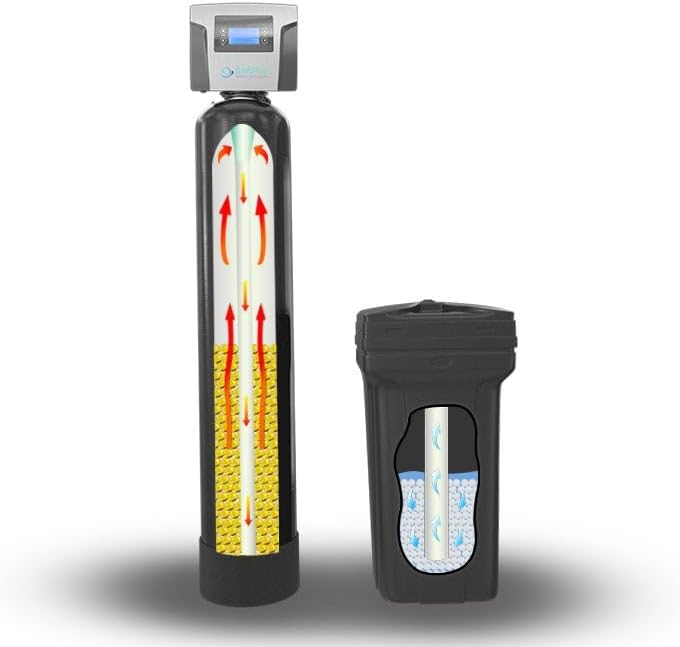
| iSpring Iron & Manganese System | Oxidation + filtration | Wells with iron bacteria | 50,000 gal |
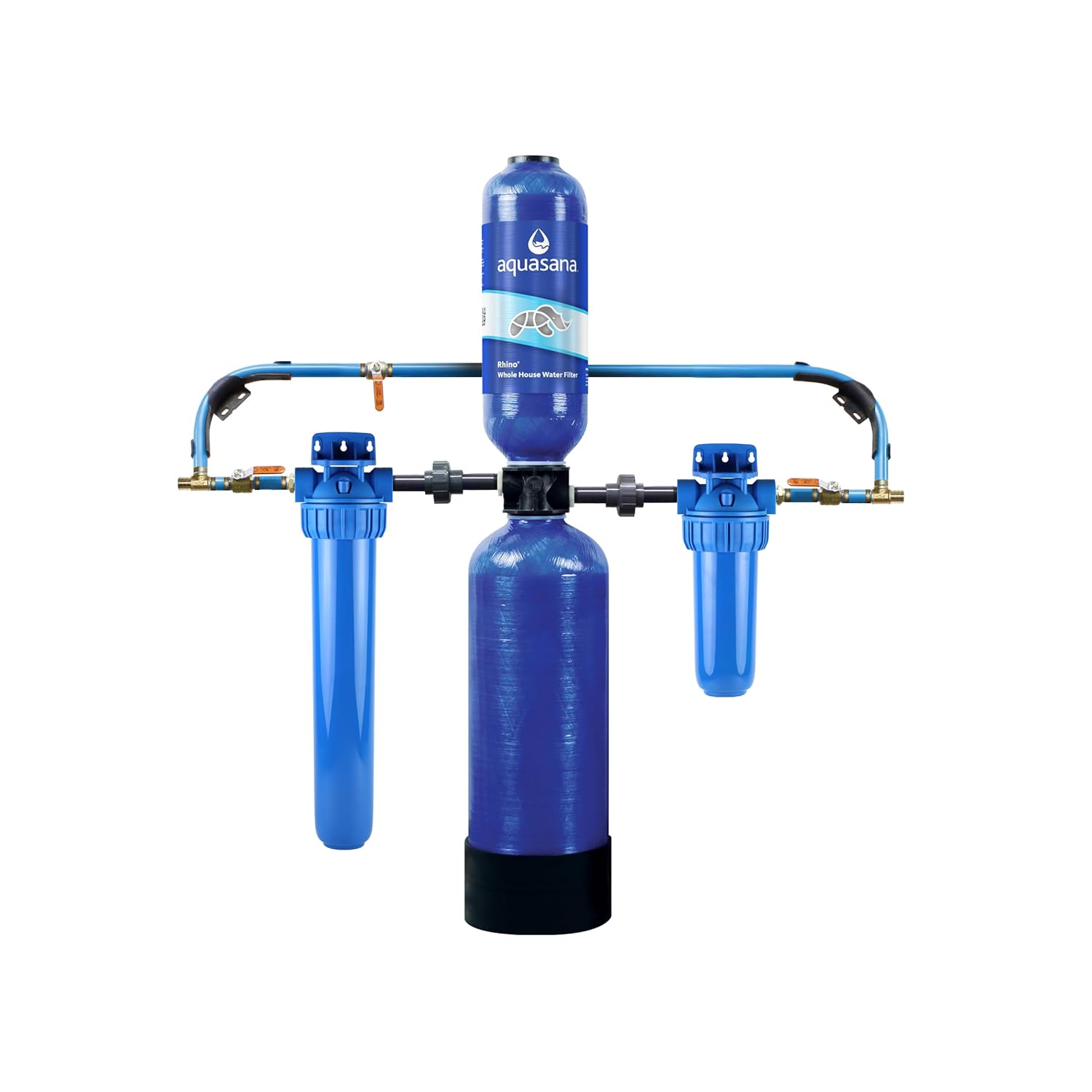
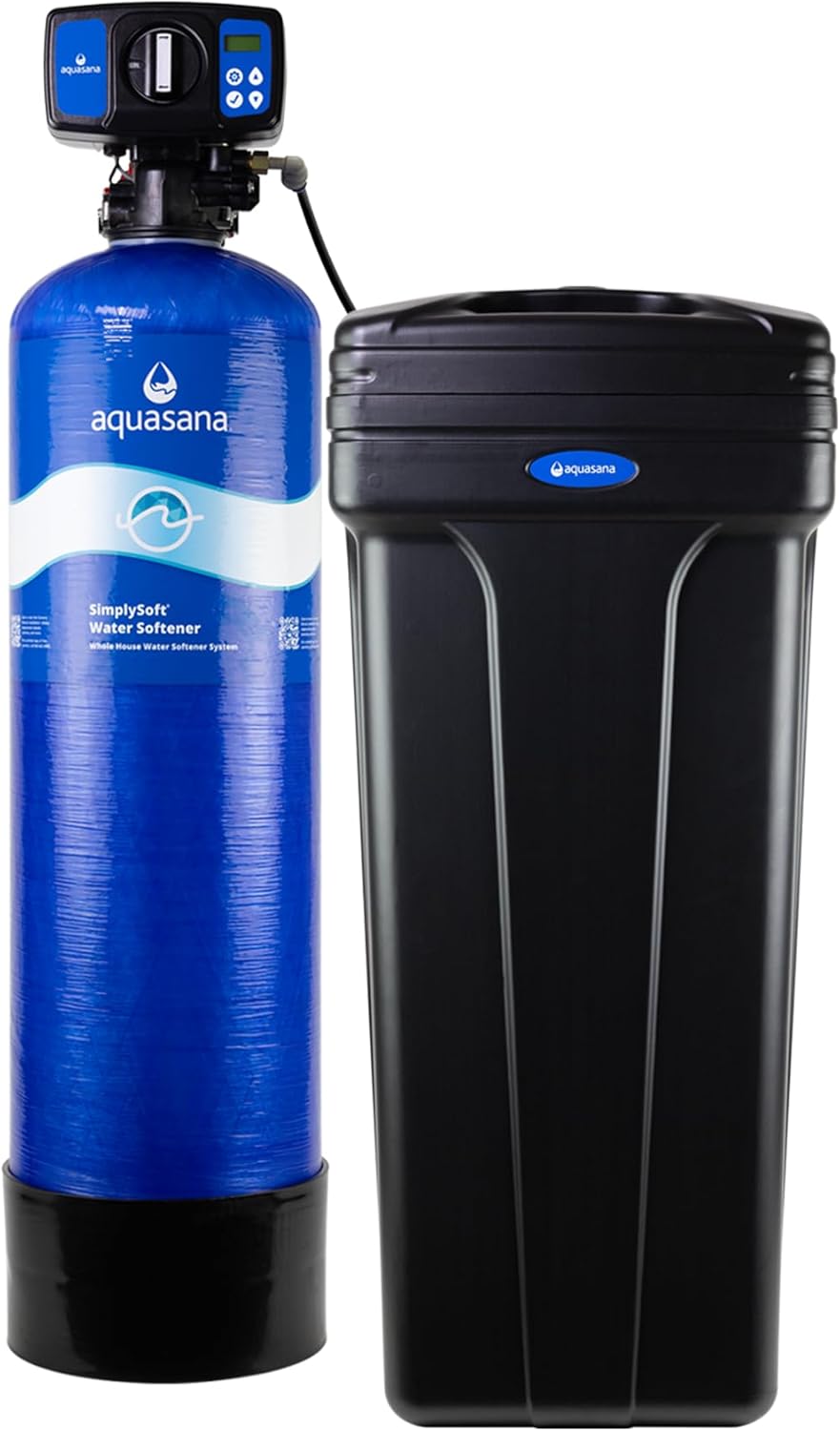
Aquasana Whole House Well Water Filter (UV + Carbon + KDF)
This is the direct upgrade path from a standard EQ-1000 and the only way to truly disinfect Aquasana Rhino EQ-1000 bacterial contamination permanently without bolting on third-party equipment. The integrated UV-C lamp delivers 30 mJ/cm² at full flow — enough to inactivate E. coli, giardia, and cryptosporidium — while the carbon and KDF stages mirror the EQ-1000 you already own. If your contamination event was triggered by switching to a well, this is the unit you should have bought in the first place. View on Amazon.
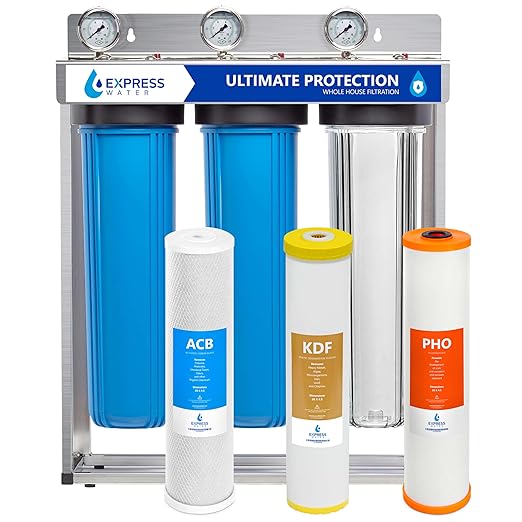
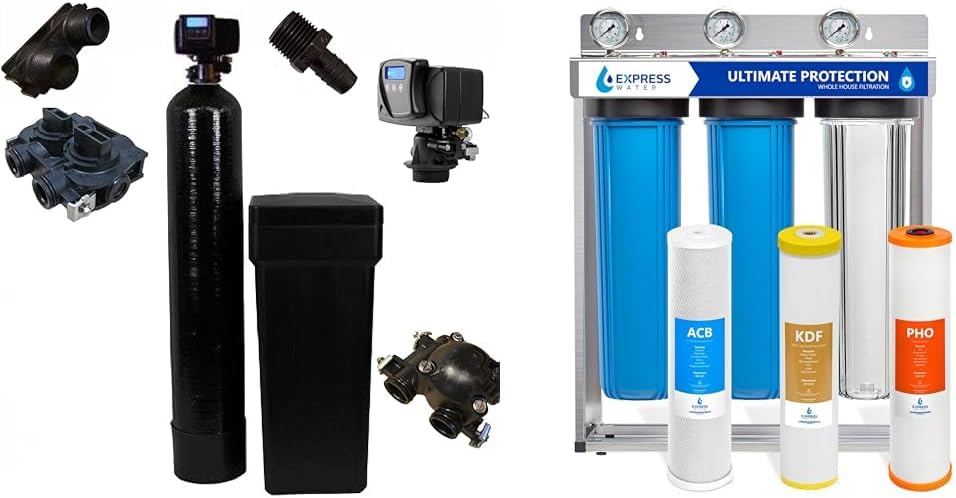
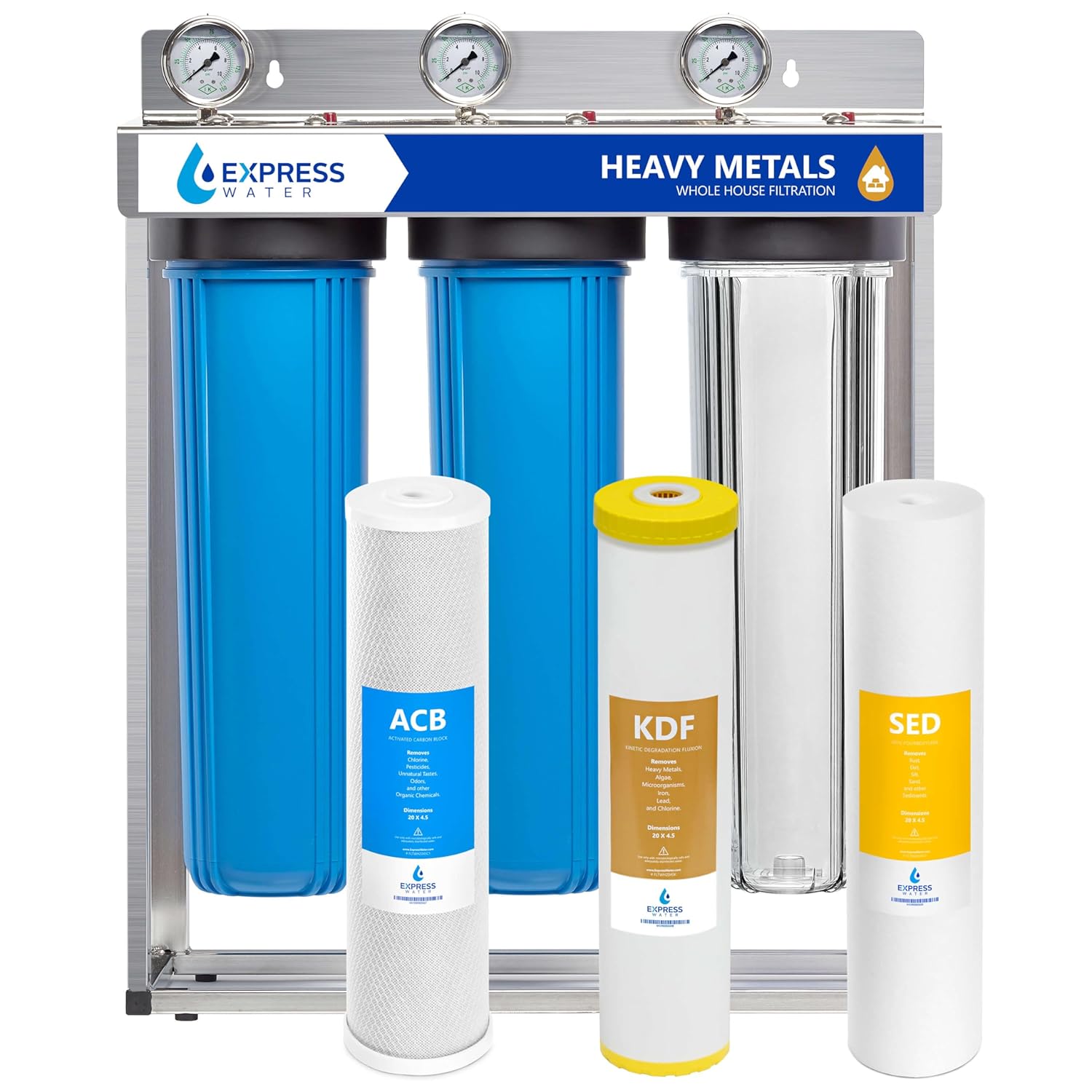
Express Water 3-Stage Whole House Water Filter System
A great inexpensive pre-treatment stage to install upstream of your existing Rhino. Sediment, KDF, and carbon block stages knock down chlorine demand and trap particulates, which means your shock-chlorination flushes faster and your carbon bed stays cleaner between events. Pair it with a separate UV lamp on the outlet of the EQ-1000 for full pathogen control. Check it out here.
HQUA WF3-01 3-Stage Whole House Water Filtration System
HQUA’s 3-stage system shines on wells with low-grade iron or sulfur because those nutrients are what feed sulfate-reducing and iron bacteria in the first place. Removing them upstream of the EQ-1000 dramatically reduces the chance you will ever need to disinfect again. See the HQUA WF3-01 on Amazon.
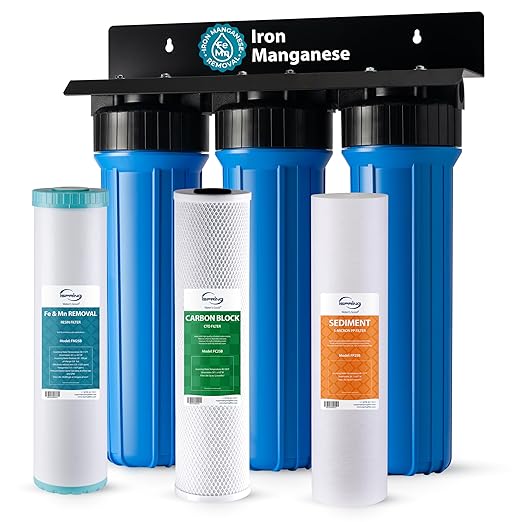
iSpring Iron & Manganese Whole House Water Filtration System
If your lab report flagged iron bacteria (the orange slime around toilet tanks and pink staining in showers), the iSpring oxidation-based system removes the iron and manganese they feed on. Install it upstream of the Rhino and you starve the colony at the source. Check pricing on Amazon.
Step 6: Verify and Document the All-Clear
Resist the urge to declare victory based on smell or taste. Pull a sample from a cold-water kitchen tap 48 hours after the flush, then again at 7 days, and send both to a certified lab. Save the results. If you ever sell the home or file an insurance claim related to the contamination event, this paper trail matters. For more guidance on quarterly water testing, see our companion article on how to interpret a coliform test result and the related piece on EQ-1000 filter replacement intervals.
Preventive Maintenance Going Forward
Once you disinfect Aquasana Rhino EQ-1000 bacterial contamination successfully, lock in a routine that keeps it from happening twice:
- Test for total coliform every 6 months on city water, every 3 months on well water
- Replace the 5-micron sediment pre-filter every 60–90 days, not the 6-month interval Aquasana lists for ideal water
- Run a mild 10 ppm maintenance chlorination through the system every 12 months if you are on a well without UV
- Inspect the well cap, vent screen, and surrounding grade annually for any path of entry
- Consider adding a downstream UV sterilizer rated for your peak flow rate (15–20 GPM for most homes)
Frequently Asked Questions
How much bleach do I add to shock-disinfect an Aquasana Rhino EQ-1000?
For the EQ-1000’s 20-inch pre-filter sump, 1 cup of unscented 5.25–8.25% household bleach is the right starting dose. It will produce roughly 50–100 ppm free chlorine downstream once mixed with incoming flow — strong enough to inactivate vegetative bacteria during the 12–24 hour dwell. For a heavier event involving E. coli or known sewage contact, double the dose and extend dwell to 24 hours. Always verify with test strips at an outdoor hose bib before walking the house.
Will chlorine damage the carbon media in my Rhino?
A single shock event will shorten the carbon’s remaining service life by roughly 5–15%, but it will not destroy the bed. The carbon’s job is to remove chlorine, so it consumes the bleach as it passes through — that is actually how the disinfection works downstream. After two or more shock events in a year, plan on replacing the carbon tank or upgrading to a system with integrated UV. Repeated chlorine shocks slowly exhaust adsorption capacity.
Do I need to drain the water heater after a bacterial contamination event?
Yes. Bacteria thrive in the 70–120°F stratified zone at the bottom of a tank-style water heater, and a standard 120°F setting will not kill them. After the shock-chlorination dwell, drain the heater completely, then refill and run a pasteurization cycle by raising the thermostat to 160°F for 8 hours. Flush all hot taps until they reach 140°F at the fixture. Restore the normal setpoint before allowing scalding-risk use.
How do I know if my Rhino EQ-1000 carbon bed itself is contaminated?
Telltale signs include a musty or earthy smell at the outlet that persists after the pre-filter is changed, slow but measurable pressure loss across the tank, and pink or black staining at downstream fixtures that returns within days of cleaning. A confirmatory test is to pull a sample from a sampling port on the post-carbon side — if it comes back positive for heterotrophic plate count above 500 CFU/mL while the inlet is clean, the bed is colonized and needs replacement.
Can I just add a UV light instead of disinfecting the existing system?
No. UV downstream of a contaminated carbon bed will kill organisms in the water column, but the bed itself continues to shed biofilm, dead cell debris, and endotoxins (which UV does not neutralize). You must shock first, then install UV to keep the system clean going forward. Skipping the shock step leaves a chronic source of taste, odor, and endotoxin issues even if total coliform tests come back negative.
How long after disinfecting before the water is safe to drink?
Plan on a minimum of 72 hours: 12–24 hours of bleach dwell, 6–12 hours of flushing, and 48–72 hours of waiting for retest results from a certified lab. Do not drink, cook with, or brush teeth with the water during that window. Bottled water for consumption is cheap insurance — a 5-gallon dispenser handles a family of four for the duration without rationing.
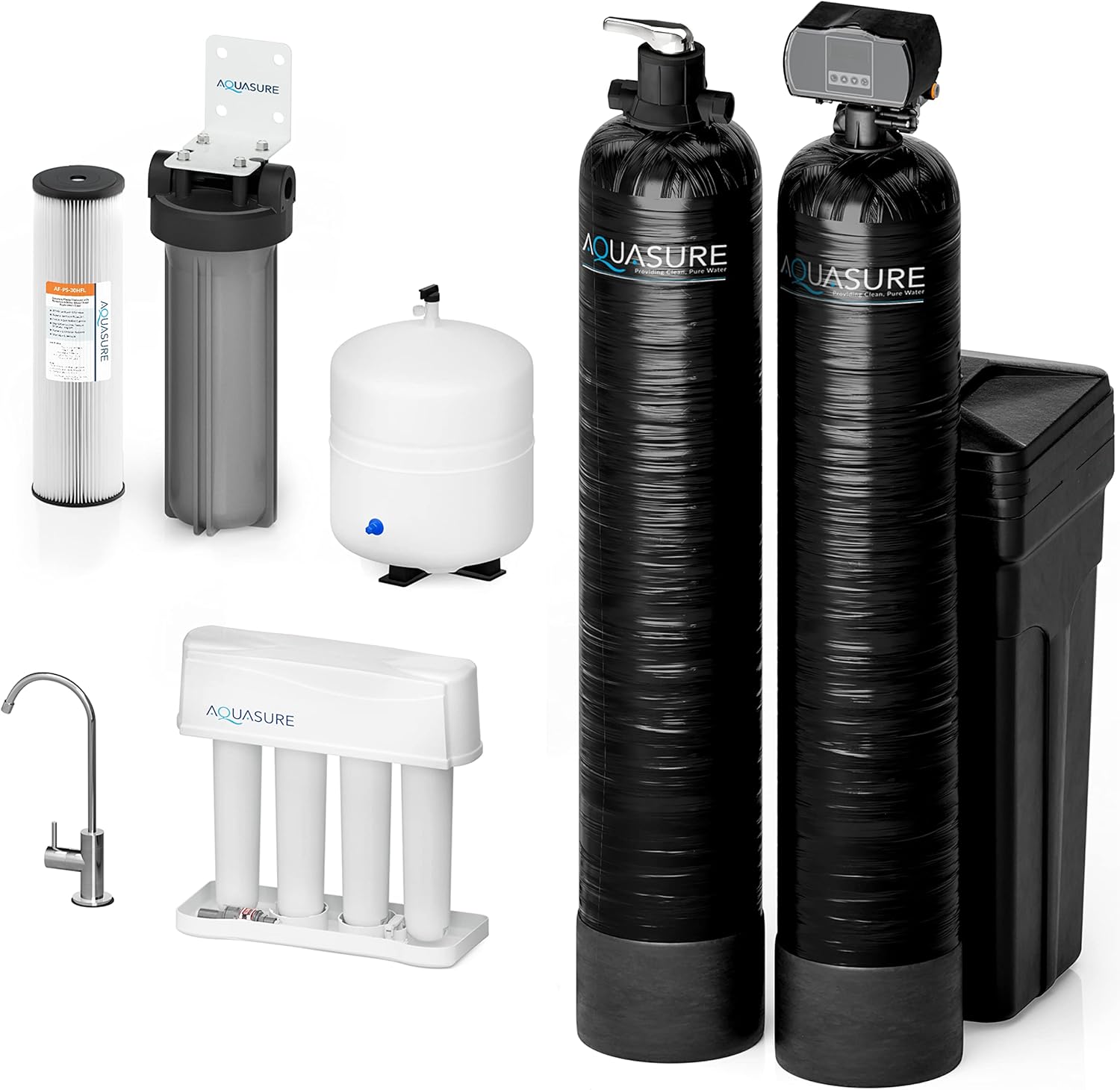
Is the Aquasana Well Water Rhino with UV worth upgrading to?
If you are on well water and have already had one bacterial event, the answer is yes. The integrated UV chamber, KDF stage, and matched carbon bed eliminate the weakness of the original EQ-1000 design on untreated source water, and the 500,000-gallon capacity matches what you are used to. It is meaningfully cheaper than buying a standalone UV system plus replacement carbon for your existing Rhino, and the integrated design means one set of replacement parts to track rather than two.
Bottom Line
To disinfect Aquasana Rhino EQ-1000 bacterial contamination correctly in 2026, you need to confirm the organism with a lab test, shock-chlorinate the entire plumbing tree with 50–200 ppm free chlorine for 12–24 hours, replace the sediment pre-filter immediately and again at 30 days, pasteurize the water heater, and retest at 48 and 72 hours. Long-term, the only durable fix is permanent disinfection — either by upgrading to the Aquasana Well Water Rhino with integrated UV or by bolting a standalone UV sterilizer onto the outlet of your existing EQ-1000. Skipping the long-term step almost always results in a repeat contamination within 12–18 months.
Key Takeaways
- Choosing the right disinfect Aquasana Rhino EQ-1000 bacterial contamination means matching capacity and output ports to your actual devices
- Always check actual watt-hours (Wh), not just watts — runtime depends on Wh, not peak output
- Also covers: sanitize Aquasana Rhino EQ-1000 tank
- Also covers: Aquasana Rhino boil water advisory
- Also covers: chlorinate whole house filter bacteria
- Compare price-per-Wh across models to find the best value for your budget