For a mountain cabin you only visit on weekends, holidays, or summer stretches, the best combo water system mountain cabin seasonal use setup pairs a sediment-and-carbon filtration stack with iron/manganese removal (and optional UV or softening) that can be drained, bypassed, or winterized without damage. You want something rated for well water variability, sized for low intermittent demand, easy to flush after a long vacancy, and built from sanitizable housings so stagnant water doesn’t leave you with biofilm or that classic “closed-up cabin” smell the first weekend back. Below we break down which combo systems hold up to freeze cycles, what to drain before you lock the door in October, and the exact components seasonal owners are buying in 2026.
Why Seasonal Cabins Need a Different Combo Approach
A primary residence pulls thousands of gallons a week, which keeps cartridges flushed, resin beds active, and biofilm at bay. A cabin sitting empty November through April does the opposite: water stagnates in the pressure tank, sediment settles in housings, and any freezing temperature inside an unheated mechanical room can split a polypropylene sump or crack a softener control valve. The best combo water system mountain cabin seasonal use strategy isn’t about the biggest tank — it’s about modularity, drain valves, and the ability to bypass everything in under ten minutes.
Most mountain wells also carry the trifecta of cabin-country problems: iron staining from granite and basalt aquifers, manganese that turns toilets black after a six-week gap, and seasonal turbidity spikes during spring snowmelt. A combo system needs to handle all three without daily babysitting. That usually means a sediment pre-filter, an iron/manganese stage, and a carbon polish — with softening added only if your hardness exceeds 7 grains per gallon and you’re willing to maintain a brine tank between visits.
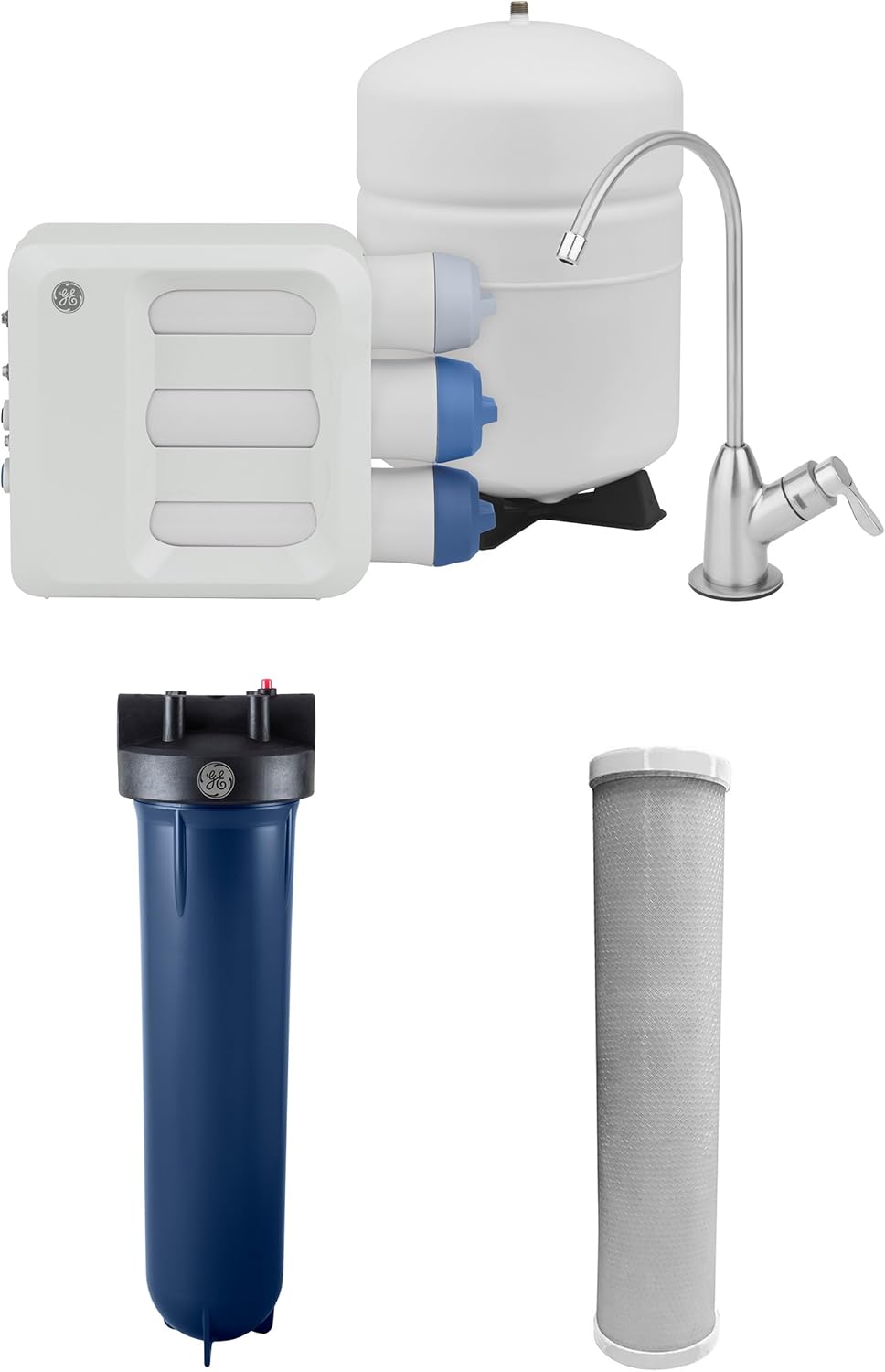
Comparison: Top Combo Components for Seasonal Cabins
| System | Best For | Stages | Freeze-Drain Friendly | Cabin Fit |
|---|---|---|---|---|
| Aquasana 500K UV+Carbon+KDF | Whole-cabin well water with bacteria risk | Sediment + Carbon/KDF + UV | Yes, with bypass | Year-round or 3-season |
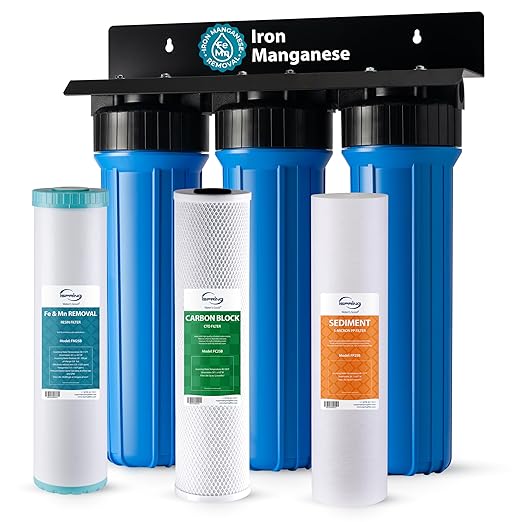
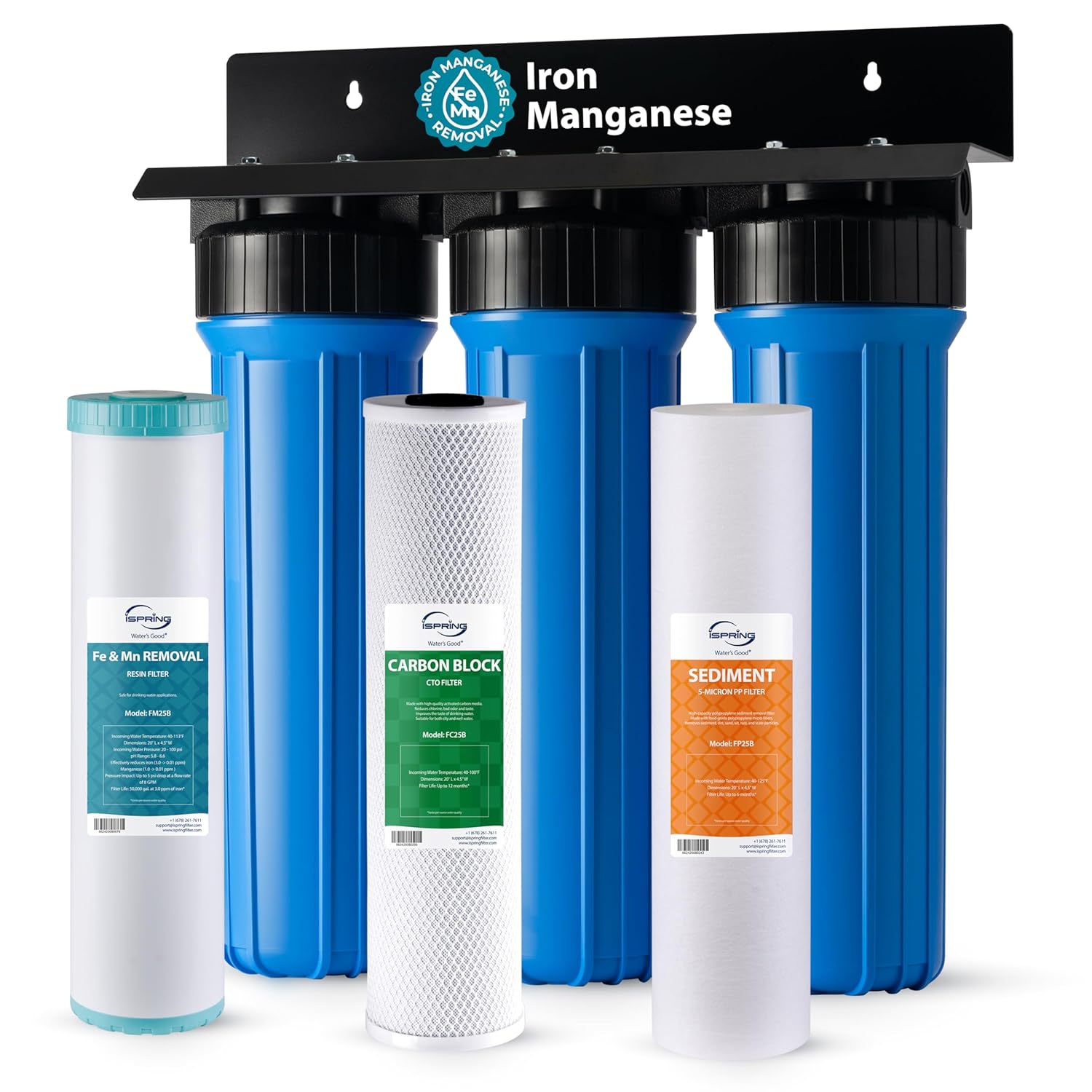
| iSpring Iron & Manganese | Rust staining, black residue after vacancy | Oxidation + media bed | Yes, drainable | Stained fixtures, smelly first-weekend water |
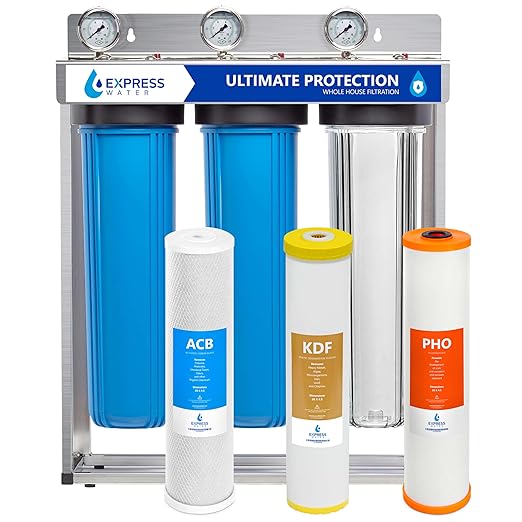
| Express Water 3-Stage | Budget combo, modular housings | Sediment + Carbon Block + Carbon | Excellent (clear sumps drain fast) | Small to mid cabins |
| HQUA WF3-01 3-Stage | Compact mechanical closets | Sediment + GAC + Carbon Block | Excellent | Tiny cabins, bunkhouses |
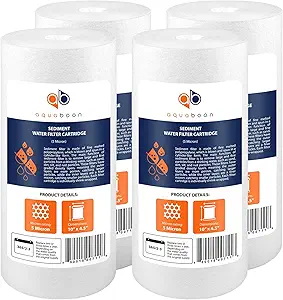
| Aquaboon 5 Micron 10x4.5 (4-pack) | Replacement sediment cartridges | Pre-filter only | N/A | Stock up for the season |
Our Top Combo Picks for 2026
Aquasana Whole House Well Water Filter (500K Gallons, UV + Carbon + KDF)
If your cabin pulls from a shallow well, a spring box, or any surface-influenced source, the Aquasana 500K combo is the closest thing to a turnkey solution on the market. The UV stage is the differentiator for seasonal owners: after the cabin sits empty for months, you can’t fully trust that the well casing or pressure tank hasn’t allowed bacterial intrusion. UV deactivates that risk at the point of entry. The KDF and catalytic carbon stages handle chlorine (if you shock the well after opening it), hydrogen sulfide, and the dissolved metals that mountain aquifers love to push through. The 500,000-gallon rating is overkill for a weekend cabin, which is exactly what you want — you’ll probably replace tanks on a 5–7 year cycle rather than annually. Check current price and the UV bulb replacement schedule on Amazon.
iSpring Iron & Manganese Whole House Water Filtration System
Iron and manganese are the two contaminants seasonal cabin owners universally underestimate. The water tests fine in July, then you arrive in October and every toilet bowl has a black ring and the tub fills brown for the first thirty seconds. The iSpring iron and manganese system uses an oxidizing media that pulls dissolved iron, manganese, and a meaningful portion of sulfur out of solution before they hit your fixtures. For a combo build, this is the middle stage that prevents staining and protects whatever carbon or softener sits downstream from being fouled. It backwashes automatically, but seasonal owners typically run a manual backwash on arrival and another before leaving. See current pricing on Amazon.
Express Water 3-Stage Whole House Water Filter System
For most mountain cabins under 2,000 square feet with two bathrooms or fewer, the Express Water 3-stage is the workhorse you build a combo around. Clear sumps let you visually inspect cartridge loading after a long absence, which matters when you’re trying to decide whether the rusty first-flush is sediment from the pressure tank or a sign that the well screen is failing. The 1-inch ports and pressure gauges on both ends mean you’ll spot a clogged sediment cartridge before it starves the carbon stages. Pair it with the iSpring iron/manganese unit upstream and you have a serious combo for under $700 in component cost. Check current bundle pricing on Amazon.
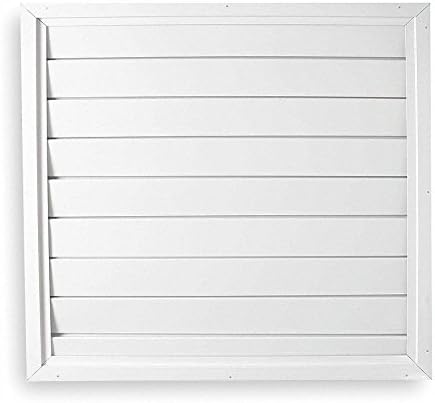
HQUA WF3-01 3-Stage Whole House Water Filtration System
The HQUA WF3-01 is the pick for genuinely small cabins, bunkhouses, hunting camps, and A-frames where mechanical room real estate is a coat closet. It runs sediment, granular activated carbon, and a carbon block in a tight footprint and handles intermittent demand without channeling. For a 600-square-foot cabin that sees a dozen weekends a year, this is honestly all the filtration you need downstream of a basic sediment pre-stage. The brackets are sturdy enough to mount on framing rather than finished wall — useful when your mechanical “room” is actually a corner of the crawlspace. See the latest stock on Amazon.
Aquaboon 5 Micron 10x4.5 Well Water Sediment Filter (4-Pack)
Whatever combo you build, you’ll burn through pre-filter cartridges faster than you expect — especially during spring runoff when snowmelt drives turbidity through every shallow well in the Rockies, Sierras, and Appalachians. Buying sediment cartridges in 4-packs and stocking them at the cabin means you can swap on arrival without a 90-minute round trip to the hardware store in the nearest valley town. The 5-micron rating is the sweet spot for cabin wells: tight enough to protect downstream carbon and iron/manganese media, loose enough that you’re not changing cartridges every weekend. Grab a multi-pack on Amazon.
How to Winterize Your Combo System Without Damage
The single biggest mistake seasonal owners make is leaving water in housings and softener resin tanks through a hard freeze. Polypropylene sumps will split, control valve manifolds will crack, and you’ll discover the damage in May when you re-pressurize and water sprays across the mechanical room. The freeze-proof close-up sequence for the best combo water system mountain cabin seasonal use build looks like this:
- Shut off the well pump breaker and depressurize the system by opening the lowest fixture.
- Open the drain valve on each filter housing and let sumps empty fully. Leave sump caps loose so any residual moisture can evaporate.
- Bypass the iron/manganese unit and softener (if installed), then drain the resin/media tank per the manufacturer’s winterization steps.
- Disconnect and drain the UV chamber if your combo includes one — quartz sleeves are surprisingly fragile when ice forms inside them.
- Pour RV antifreeze into P-traps and the toilet bowls, not into the filtration housings.
For a deeper walkthrough, see our companion guide on winterizing well water filtration systems and the related piece on sanitizing a cabin water system after vacancy.
Spring Re-Opening: The First Weekend Back
Reversing the winterization is where most cabin owners cut corners and regret it. After a long vacancy, run the well for at least 15 minutes to a yard hydrant before any water enters your combo system — you do not want six months of pressure tank sediment hitting fresh cartridges. Then replace your sediment pre-filter, backwash the iron/manganese tank twice, and shock-chlorinate the cold-water plumbing before drinking. If your combo includes UV, replace the bulb annually regardless of hours — the lamp output decays whether the water is flowing or not.
This is also the moment to test. A $25 well test strip kit will tell you in five minutes whether iron, manganese, hardness, and pH have shifted over the winter, which they often do as snowmelt changes the aquifer chemistry. Adjust your media or cartridge selection based on what you measure, not what worked last September.
Sizing the Combo to Real Cabin Demand
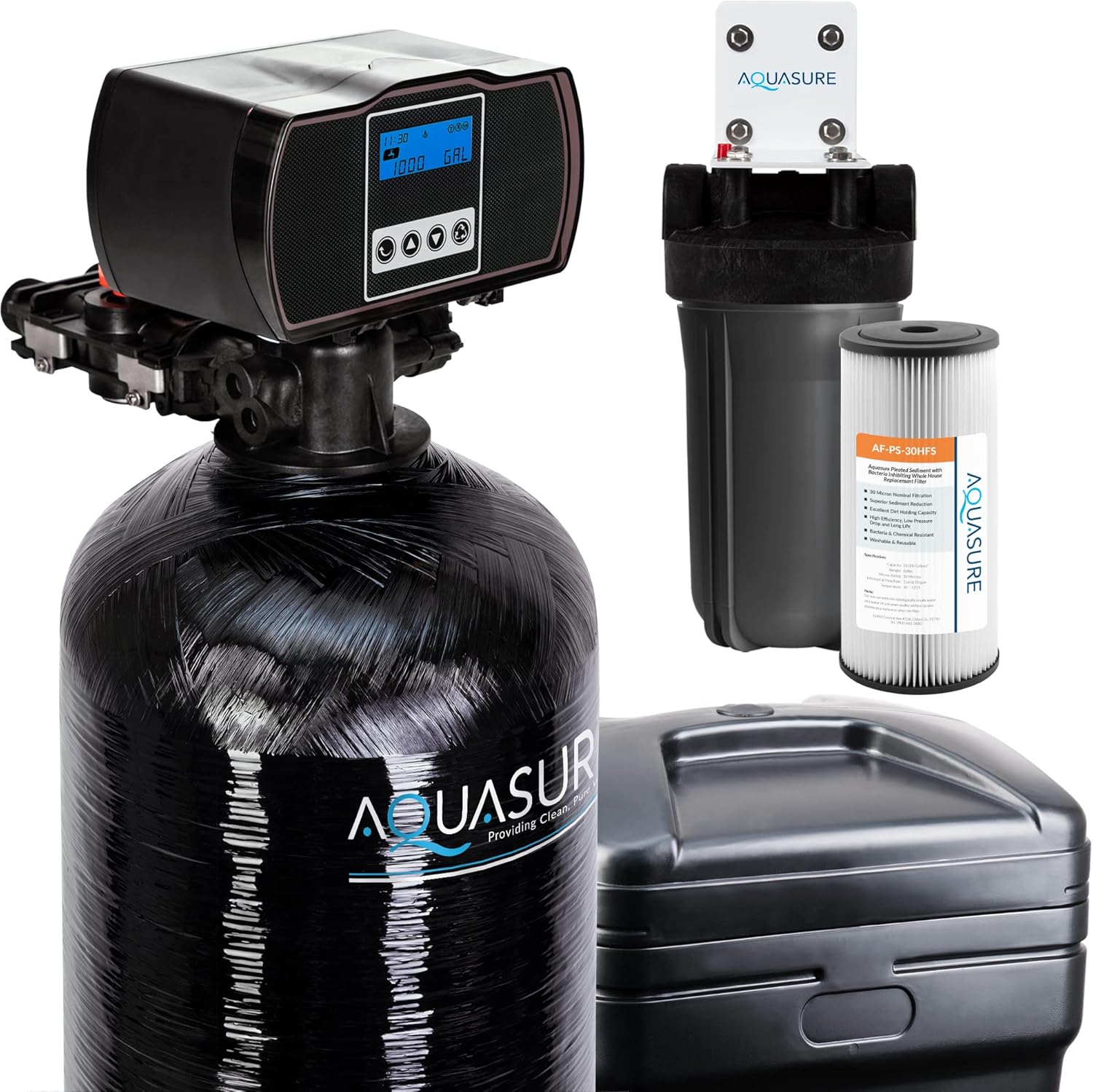
A four-person family weekend at a mountain cabin uses roughly 300–500 gallons — dishes, showers, laundry maybe. Even a heavy summer week tops out around 2,000 gallons. That’s why oversizing the combo is the wrong instinct: a 1.5-cubic-foot softener resin bed won’t see enough flow to stay healthy, and a 1,000,000-gallon capacity carbon tank will outlive the cabin. Match the system to the duty cycle. For most seasonal cabins, a 3-stage cartridge filter plus an iron/manganese tank plus optional UV is the right floor; full softening only makes sense if hardness above 10 gpg is causing scale on your tankless heater or fixtures.
For broader context on choosing between cartridge-based and tank-based combos, see cartridge vs tank whole house filtration.
Frequently Asked Questions
Do I really need a water softener at a cabin I only visit twelve weekends a year?
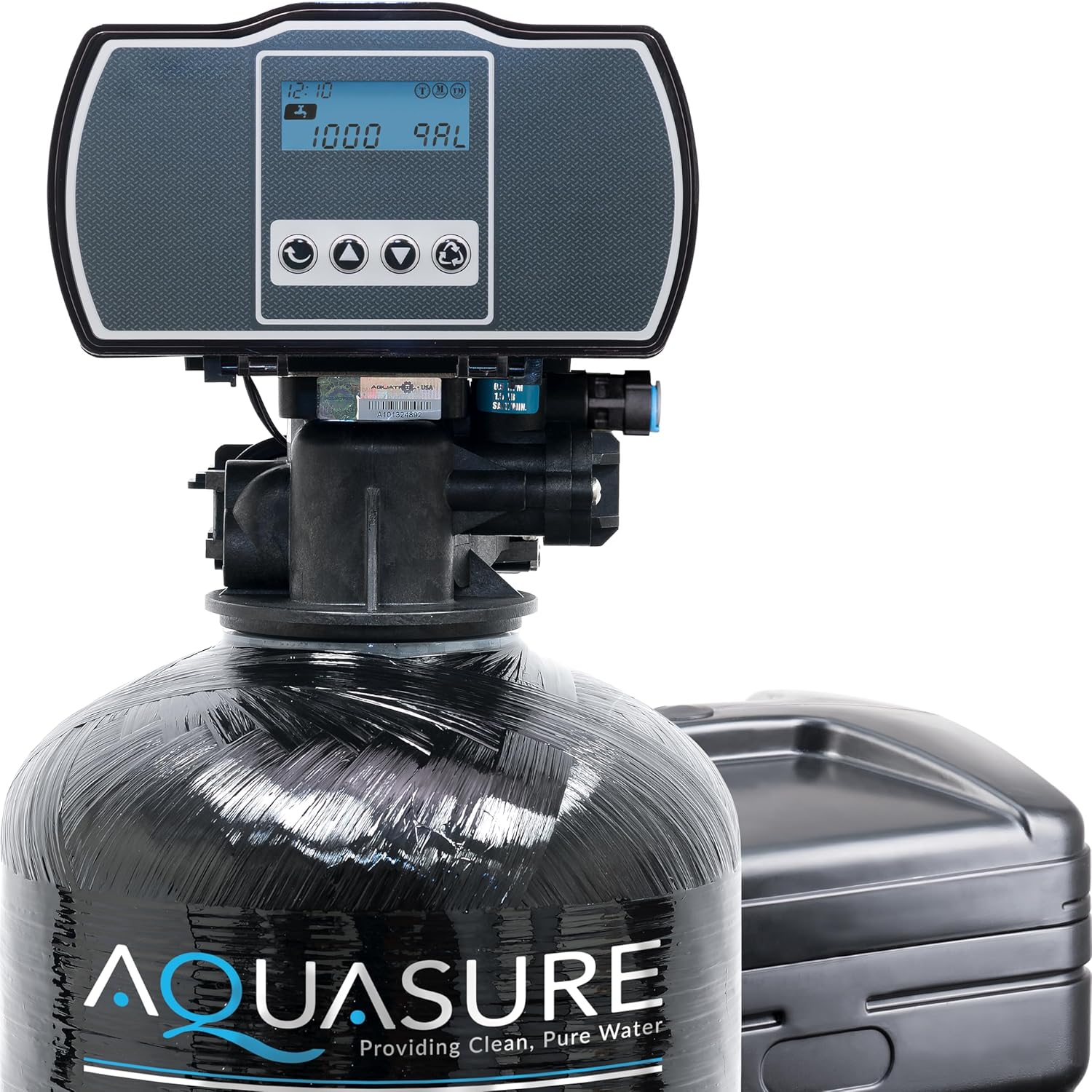
Probably not, unless your hardness is above 10 grains per gallon and you have a tankless water heater or expensive fixtures. Resin beds need regular regeneration cycles to stay healthy, and a brine tank sitting through six months of freeze-thaw can develop a salt bridge. Most seasonal cabin owners get better results from a carbon and iron/manganese combo without softening, accepting some hardness in exchange for one less thing to maintain.
What size sediment filter is best for mountain well water with spring runoff?
A 5-micron 10x4.5 pre-filter handles the vast majority of snowmelt turbidity without restricting flow. If your well runs visibly cloudy during runoff weeks, drop in a 20-micron spun cartridge ahead of the 5-micron for a two-stage sediment trap. Stock at least four spare cartridges per season — spring turbidity will fill a single cartridge in days, not months.
Will a freeze crack my whole house filter housings if I forget to drain them?
Yes. Standard polypropylene sumps split along the threads or the bottom dome when water inside expands, and the failure usually shows up as a hairline crack that drips for hours before you notice. Always drain housings and leave sump caps slightly loose for the off-season. Stainless steel housings tolerate freezing better but are not freeze-proof either.
How long can a UV lamp stay off before it needs replacement?
UV bulb life is rated in operating hours but actual germicidal output degrades whether the lamp is energized or not. For a seasonal cabin, plan on a fresh UV bulb every spring regardless of how few hours it logged. The quartz sleeve only needs replacement every two to three years, but always swap the O-rings when you do.
Can I run my combo system on a generator-only cabin without grid power?
Cartridge filtration is passive and works on water pressure alone, so it runs fine off-grid. Iron/manganese tanks with automatic backwash valves need power during the backwash cycle but not during normal flow. UV requires continuous power whenever water is being drawn. Off-grid cabins typically size their inverter and battery bank to keep the UV lit anytime the pump runs.
Should I shock-chlorinate the well every spring or only when tests show bacteria?
If the cabin sat empty through winter, shock-chlorinate the well, pressure tank, and plumbing as a default — don’t wait for a positive test. The cost is a gallon of unscented household bleach and an afternoon of flushing. Test for coliform after the chlorine clears and before you drink. Repeat any time the well casing has been opened.
What’s the cheapest combo that still handles iron staining and seasonal bacteria risk?
A 3-stage cartridge unit like the Express Water or HQUA WF3-01, plus the iSpring iron and manganese tank, plus a point-of-use UV at the kitchen tap rather than whole-house UV. That keeps total component cost under $900 and lets you skip the most expensive maintenance item — whole-house UV — while still protecting your drinking water specifically.
Key Takeaways
- Choosing the right best combo water system mountain cabin seasonal use means matching capacity and output ports to your actual devices
- Always check actual watt-hours (Wh), not just watts — runtime depends on Wh, not peak output
- Also covers: seasonal cabin water softener filter combo
- Also covers: mountain cabin combo filtration
- Also covers: part time cabin water system
- Compare price-per-Wh across models to find the best value for your budget