Choosing the right combo water system historic home galvanized pipes can tolerate comes down to three constraints: low static pressure loss, aggressive sediment pre-filtration to catch shedding rust flakes, and iron or manganese removal stages that won't choke the moment corrosion debris hits them. Most homes built before 1960 still carry sections of galvanized steel supply that have lost 30 to 60 percent of their original interior diameter to internal scale. A filter-plus-softener stack adds back-pressure those lines were never designed for, so your choice of pre-filter stage matters far more than the polishing carbon block at the end. The picks below are sized and staged with that constraint in mind.
Why historic homes need a different combo strategy
Galvanized steel supply lines corrode from the inside out. The zinc coating sacrifices itself for 40 to 70 years, after which the bare steel begins forming iron oxide tubercles that flake off in irregular bursts whenever water velocity spikes. That shedding is the real enemy of any whole-house system installed downstream. A standard combo unit designed for copper or PEX plumbing assumes the incoming water carries no more than 1 to 2 NTU of particulates, but a 90-year-old galvanized main on a Friday-night surge can hit 15 NTU during the first thirty seconds of flow.

The other complication is static pressure. Many historic homes operate at 35 to 45 PSI at the meter rather than the modern 60 to 80 PSI standard, and the corroded interior of those pipes can drop another 8 to 12 PSI before water even reaches a filter housing. Stack a salt-based softener and a four-stage filter in series and you can lose another 15 PSI under demand. That is why the best combo configurations for these homes are typically split: a sediment-heavy pre-stage at the point of entry, a softener in the middle, and a polish filter near the kitchen rather than one monolithic cabinet.
Comparison: best combo-ready systems for galvanized supply in 2026
| System | Best for | Stages | PSI loss (clean) | Capacity |
|---|---|---|---|---|
| Aquasana 500K UV+Carbon+KDF | Whole-home combo backbone | 4 + UV | ~5 PSI | 500,000 gal |
| iSpring Iron & Manganese | Rust-shedding galvanized mains | 3 (oxidizing) | ~7 PSI | ~75,000 gal |
| Express Water 3-Stage | Sediment + carbon pre-stage | 3 | ~4 PSI | ~100,000 gal |
| HQUA WF3-01 3-Stage | Budget pre-filter for low PSI | 3 | ~3 PSI | ~50,000 gal |
| Aquaboon 5 Micron 10x4.5 (4-pack) | Replacement sediment cartridges | N/A | N/A | 4 cartridges |
Top combo system picks for historic homes with galvanized supply lines
Aquasana Whole House Well Water Filter, 500K Gallons, UV+Carbon+KDF
If you want a single backbone that handles the bacterial risk many old galvanized branches carry alongside chlorine, taste, and organics, the Aquasana 500K Well Water system with UV, carbon, and KDF is the most complete out-of-box solution on this list. The 20-inch big-blue pre-filter housings can be swapped to lower micron ratings as your galvanized lines age, and the tank-style carbon stage avoids the cartridge-channeling problem that kills smaller units. Paired with a downstream softener it forms a true combo: sediment knock-down, contaminant reduction, hardness control, and pathogen kill. The trade-off is footprint, this stack wants a 4-by-3-foot mechanical area and ideally a floor drain. For a historic basement with the room, it is the platform other components plug into.
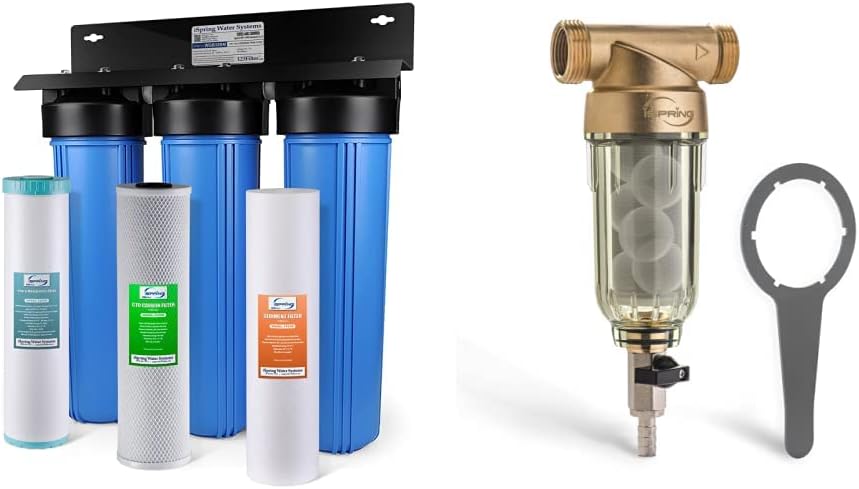
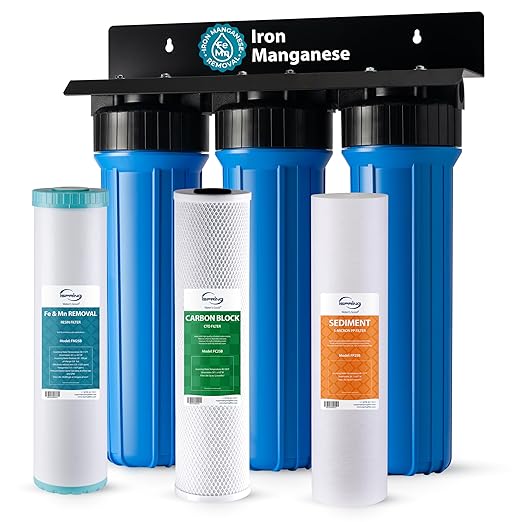
iSpring Iron & Manganese Whole House Water Filtration System
Galvanized corrosion does not just dump red water, it dumps dissolved ferrous iron that oxidizes the moment it sees air or a softener resin bed. The iSpring Iron and Manganese Whole House system uses an oxidizing media bed that pulls iron, manganese, and hydrogen sulfide out before the water reaches your softener, which dramatically extends resin life. In a combo water system historic home galvanized pipes setup, this is the stage that prevents the brown staining nobody else can explain. Auto-backwash keeps the bed from fouling, and the head valve handles the low-pressure inlet conditions typical of older 3/4-inch galvanized service lines without stalling. Install this immediately downstream of your sediment pre-filter and immediately upstream of the softener.
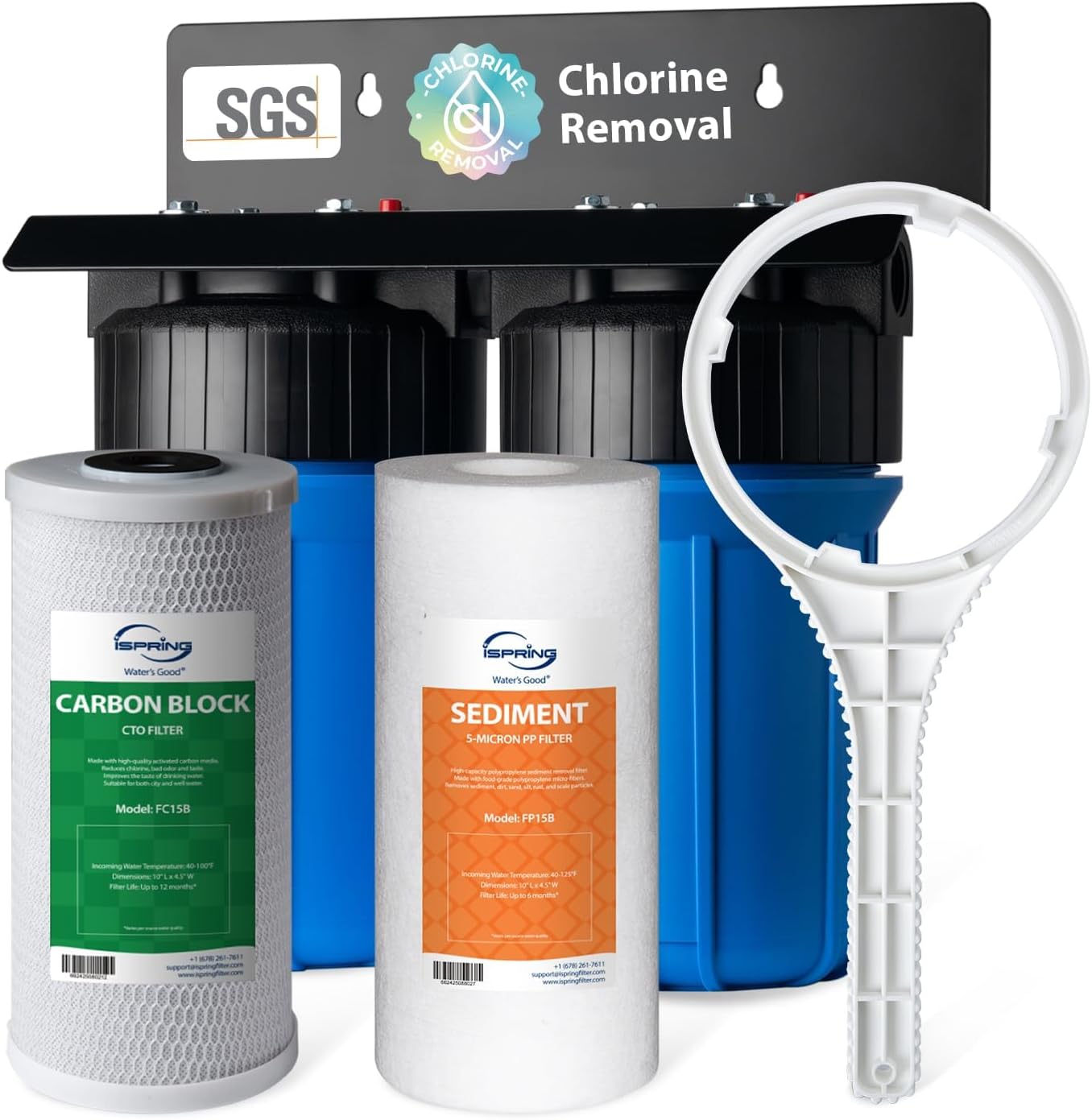
Express Water 3-Stage Whole House Water Filter System
For homes where the budget will not stretch to a full Aquasana stack, the Express Water 3-Stage Whole House Filter is the right anchor for the front of the line. The clear first-stage housing lets you visually verify how much rust your galvanized mains are still shedding, which matters in 2026 because cartridge change intervals are not a calendar item on these systems, they are a visual one. The 1-inch ports keep pressure loss to roughly 4 PSI when clean, which is critical when your incoming static is already 40 PSI. Pair it with a softener and a polish carbon block under the kitchen sink and you have a credible combo for under a thousand dollars.
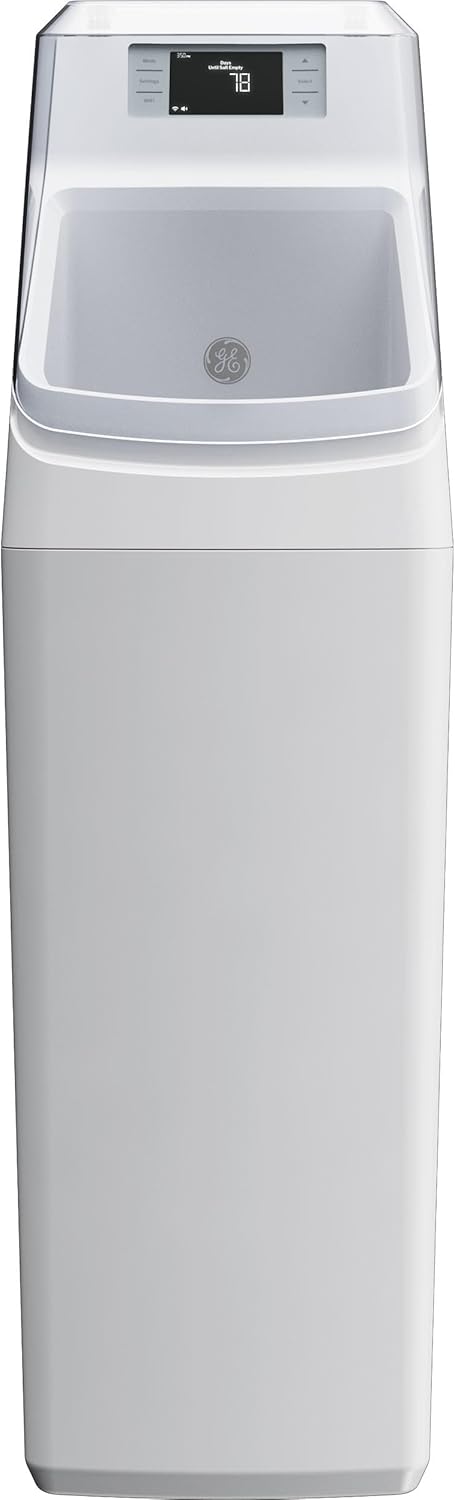
HQUA WF3-01 3-Stage Whole House Water Filtration System
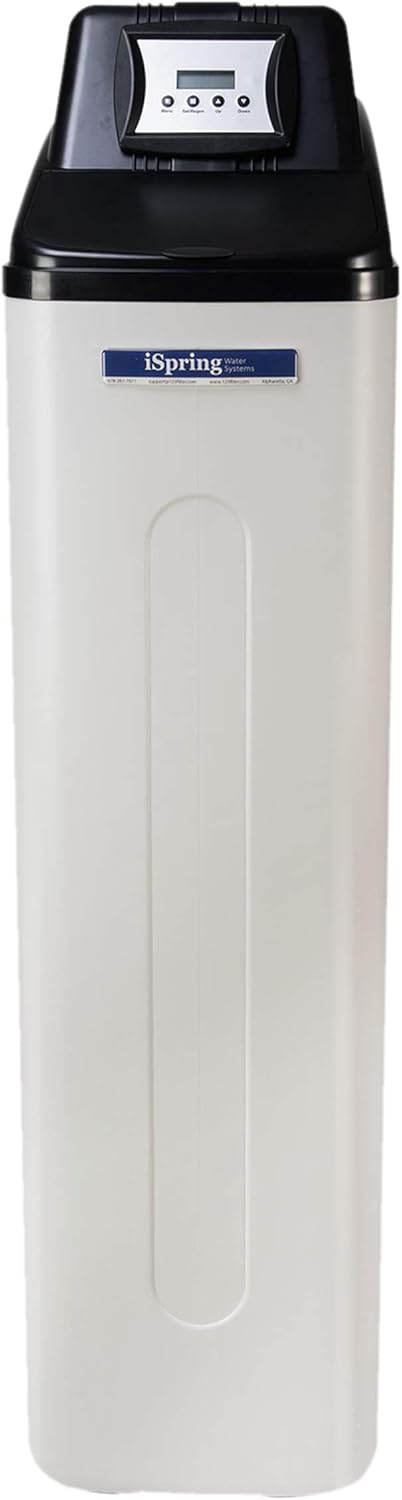
The HQUA WF3-01 3-Stage Whole House Filtration System is the lightest-pressure-drop option on this list and the one I recommend when the meter reads below 40 PSI and you simply cannot afford another 8 PSI of loss. It is not as feature-rich as the Express Water unit, but the housings accept any standard 10-by-4.5 cartridge so you can build out a custom sediment-then-carbon-then-KDF stack tailored to whatever your galvanized lines are actually shedding. Combine it with a compact cabinet softener and you have a workable combo for a small two-bedroom historic home where mechanical room space is measured in inches.
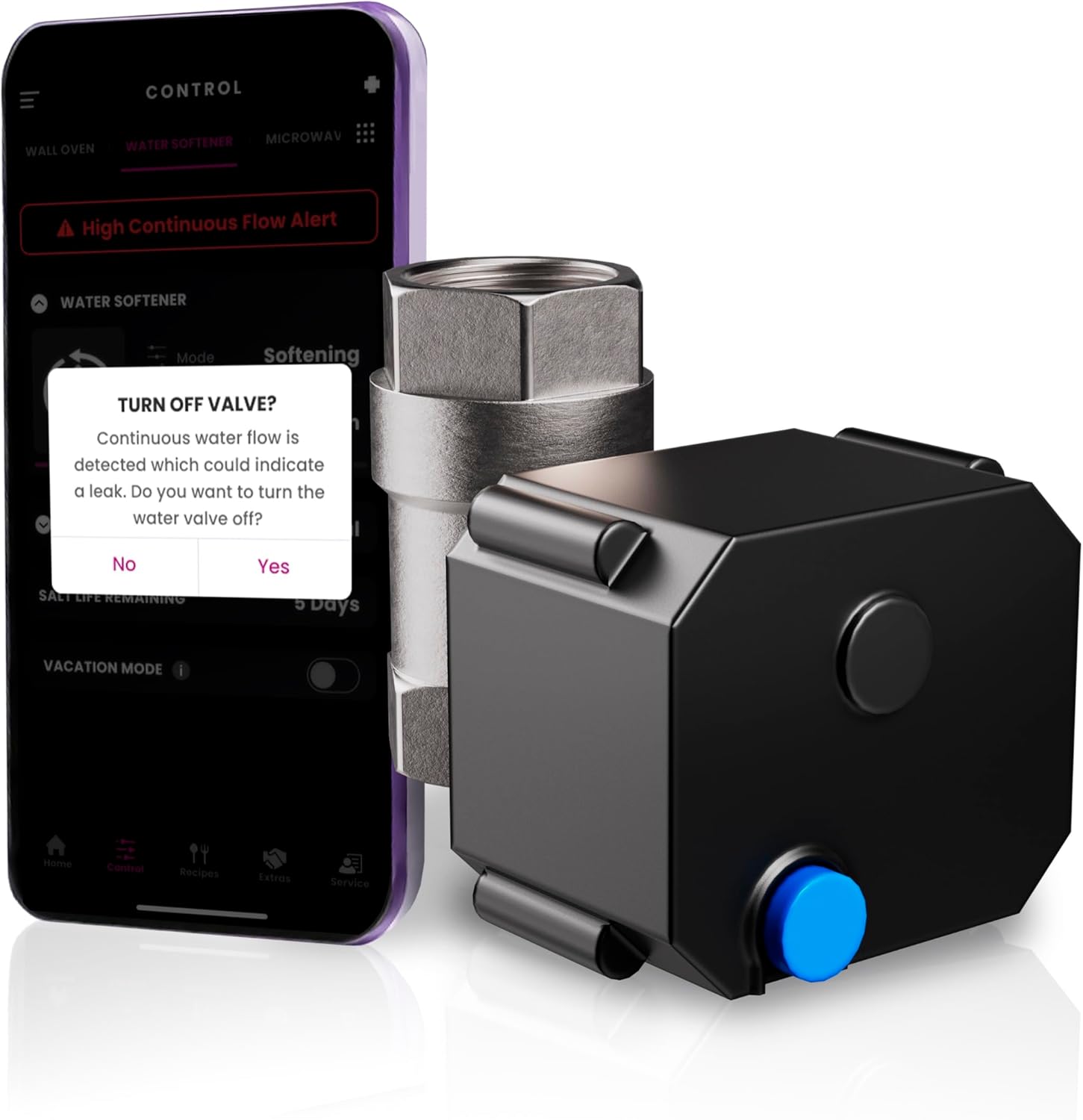
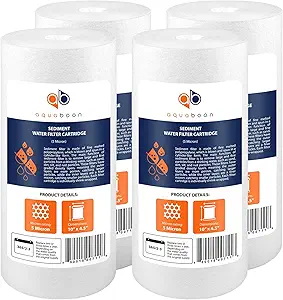
Aquaboon 5 Micron 10x4.5 Well Water Sediment Filter (4-Pack)
Whichever housing you choose, you will burn through sediment cartridges faster than the manufacturer suggests because galvanized debris is not the uniform silt these systems are spec'd against. The Aquaboon 5 Micron 10x4.5 four-pack is the cartridge I keep in the basement of every old home I service. Five microns is the right rating for the first stage downstream of corroding galvanized supply, fine enough to catch tubercle flakes but open enough to avoid pressure-cliff fouling within the first month. Buying in fours is not optional, it is the realistic replacement cadence for the first year while you learn your home's shedding pattern.
How to stage a combo system on galvanized service
The mistake most homeowners make is treating a combo water system historic home galvanized pipes installation as a single appliance. It is not. It is a sequence, and the sequence matters more than any individual component spec. The correct order, from meter to first fixture, is: shutoff valve, pressure gauge, 20-micron spin-down sediment trap, 5-micron cartridge filter, oxidizing iron filter, softener, carbon polish, optional UV, and then your distribution manifold. Skip any of those stages out of order and you compromise the next one downstream. Put a softener in front of an iron filter and the resin fouls in 90 days. Put a carbon block in front of a sediment filter and the carbon channels within 30. For more on staging order, see our guide to whole-house filter stage order.
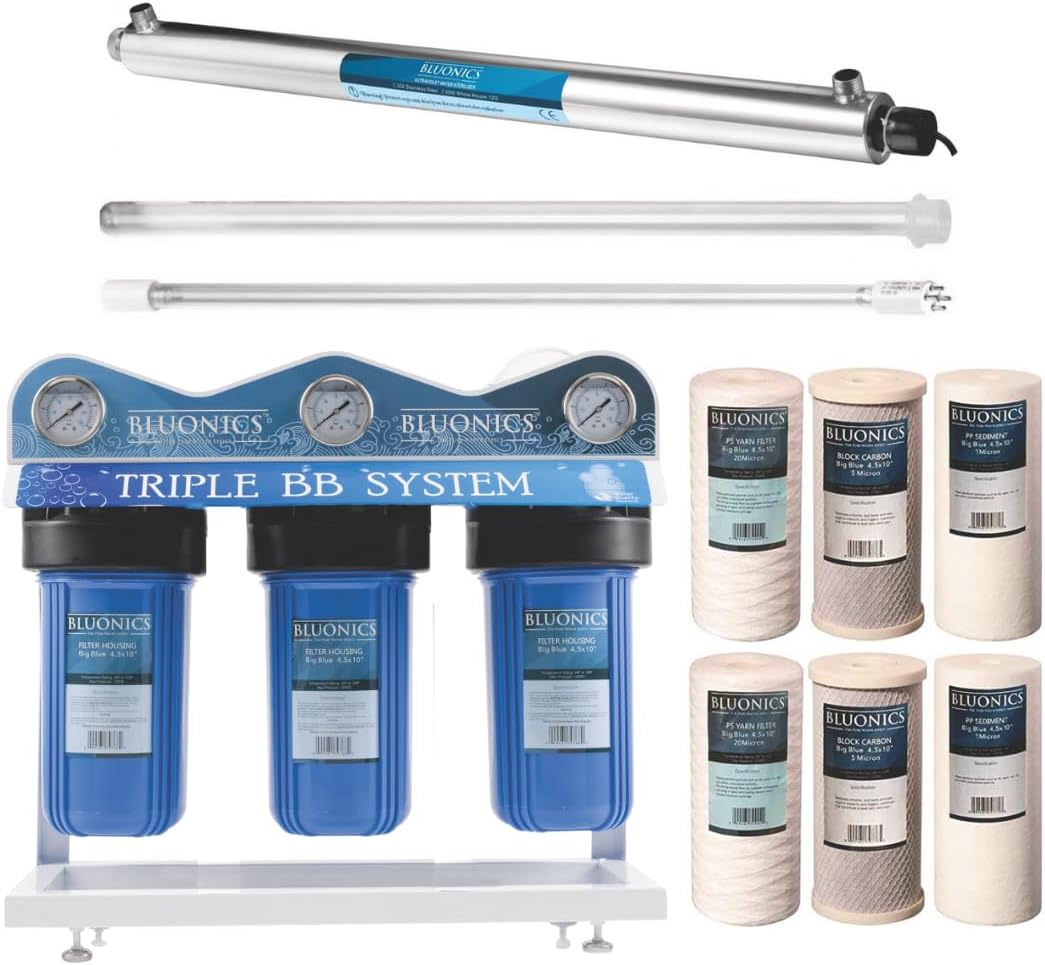
Pressure budgeting is the other half of the job. Measure your static and dynamic pressure at a hose bib closest to the meter before you buy anything. If dynamic pressure under a 5 GPM draw is below 35 PSI, you cannot run a four-stage combo without adding a booster pump, and a booster on galvanized lines accelerates the very corrosion you are trying to filter. In those cases, simplify: a single sediment plus carbon plus softener stack is the practical limit. We cover this in detail in our low pressure combo sizing walkthrough.

What about replacing the galvanized lines instead
It is worth saying out loud: the long-term answer for any historic home is repiping the affected runs in PEX or copper, not filtering the symptoms forever. But repiping a 1920s home with plaster walls and original trim is a 20,000 to 40,000 dollar project, and most owners stage it over a decade. A well-chosen combo system is the bridge that protects fixtures, water heaters, and dishwashers during that decade. Plan to oversize sediment capacity, undersize total stage count, and accept that you will be changing cartridges more often than the manuals suggest. See also our galvanized replacement priority guide for which runs to repipe first.
Frequently Asked Questions
Will a water softener damage old galvanized steel pipes?
A properly adjusted softener will not accelerate galvanized corrosion in any meaningful way, but an over-softened output (below 30 ppm hardness) running through old steel can strip the protective mineral scale that has been masking pinhole leaks. Keep softened output between 50 and 80 ppm hardness on galvanized systems and you preserve the scale layer that has been holding marginal sections of pipe together. This is one reason a combo water system historic home galvanized pipes setup should never be run at maximum softening.
What micron rating should the first sediment filter be?
Start at 20 microns for the spin-down trap and 5 microns for the cartridge stage. Going finer than 5 microns at the point of entry will choke within weeks on actively shedding galvanized mains. Save the 1-micron polish for under the kitchen sink, after the bulk debris has already been captured. The Aquaboon 5-micron 4-pack is the right cartridge for that second stage.
How often do filters need changing with corroding galvanized supply?
Plan on 6 to 10 weeks for the first sediment cartridge during the first year, stretching to 12 to 16 weeks once you have removed the loose tubercle layer from your most active runs. A clear first-stage housing like the one on the Express Water unit makes the call visual rather than calendar-based, which is how you should be running it.
Can I install a combo system if my meter pressure is only 40 PSI?
Yes, but you have to limit yourself to three stages maximum and choose low-restriction housings with 1-inch ports. The HQUA WF3-01 is the lowest-loss option on this list and was designed with that constraint in mind. Skip the softener if dynamic pressure drops below 30 PSI under a 5 GPM draw, and treat hardness at the point of use instead.
Do I need a UV stage on galvanized service lines?
If your home is on a municipal supply, no. If it is on a well or has long stagnant sections of galvanized branch line that go unused for weeks (common in historic homes with closed-off rooms), UV becomes worthwhile because biofilms grow inside corroded steel faster than inside copper or PEX. The Aquasana 500K UV+Carbon+KDF stack handles both cases in one unit.
Will the iron filter remove the red staining in my bathtub?
An oxidizing iron filter like the iSpring unit will remove dissolved ferrous iron before it precipitates, which eliminates new red staining within one to two weeks of installation. Existing rust stains on porcelain and grout will not lift on their own, you will need to remove them mechanically once the supply side is fixed. Without the iron stage, no softener or carbon filter alone will stop the staining on galvanized service.
Is a tank-based or cartridge-based combo better for historic homes?
For sediment and iron, tank-based with auto-backwash wins because you are not changing media every two months. For carbon polish and final particulate, cartridge wins because it is cheaper to swap and easier to size for low pressure. The best combo systems for historic homes mix both: tank for the heavy lifting at the front, cartridges for the polish at the back. The picks above follow that pattern.
Key Takeaways
- Choosing the right combo water system historic home galvanized pipes means matching capacity and output ports to your actual devices
- Always check actual watt-hours (Wh), not just watts — runtime depends on Wh, not peak output
- Also covers: water softener galvanized pipes
- Also covers: filter system old house steel pipes
- Also covers: combo system historic plumbing
- Compare price-per-Wh across models to find the best value for your budget